
How to capture animals —by camera —in their natural habitats.
By Rhonda Ostertag
Photos By George Ostertag
February 2019
Wildlife encounters, whether happy coincidences or methodically sought out, enrich RV travel and the memories and tales of the trip. That said, capturing a photographic record of the encounter can be challenging and frustrating. Dismay not; a few basic tips can improve both the odds of a sighting and the quality of the shot, and keep you safe while doing it.
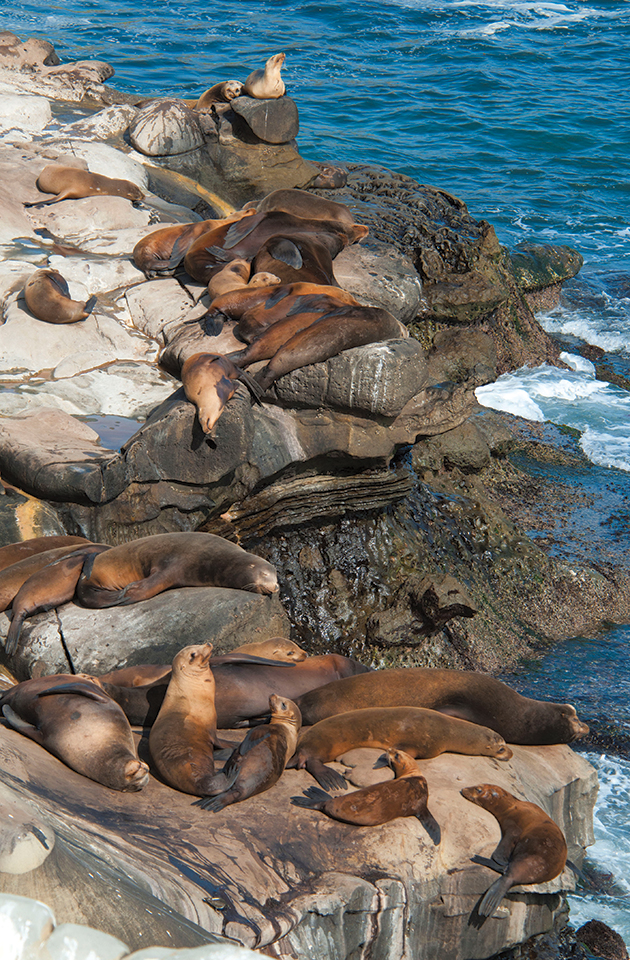
Animals in groups can make interesting subjects. Try to capture a sense of community and shared existence.
Not everyone can invest in an arsenal of wildlife cameras and lenses — even the pros must weigh budgets to wishes — but most of us can improve our output, whether using a cell phone camera or a good digital camera. Above all, be realistic in your expectations. Some situations defy capture, whether a matter of distance, location, shadow or light, or the limitations of the gear. Acknowledge that. And, when conditions defy photography, immerse in the watch.
The following suggestions might assist you in your efforts to capture unforgettable photos during your RV journey.
1-Practice. Seek out situations where animals and birds are comfortable around people. The local zoo, a home bird feeder, an urban duck pond — all can fill the bill — or spend time with a faithful pet in the unedited outdoors. Campsites, with their assortment of songbirds, woodpeckers, scavenging jays, chipmunks, and curious deer, likewise present opportunities for gaining familiarity and speed with the camera and broadening your composition skills.
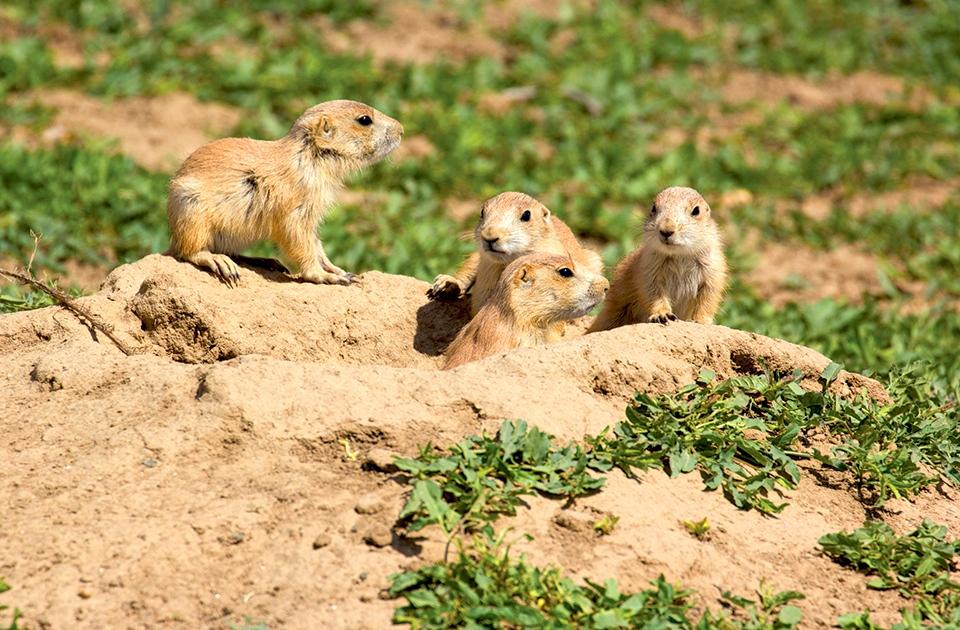
Digital photography offers a great way to experiment. Keep shooting, and find the lessons when reviewing images later. Discard photos liberally. Even a single good shot means it was a successful day.
Vary your shots. Change the camera’s orientation and shift positions (avoiding rapid movements that startle). Move; bend at the waist; and, when photographing small ground animals, kneel. For large animals in the wild, keep to your feet to remain mobile and reactive.
As in the case of cell phones, where range is limited, practice framing the subject in pleasing ways within the environment. Find the story; convey the spirit. When working with telephoto lenses, do not become a slave to portraits and close-ups. Widen the perspective and watch for behaviors and interactions.
Train your eyes to see what could be and prepare to shift focus. Also, note the detractions, errant branches, masking grasses, unsightly backgrounds, even the hind quarters of a second animal, and compose to maximize the pluses. In wider shots, be alert to horizons. Try to place the line so that it neither decapitates nor truncates the subject, and avoid depicting a universe off kilter.
Never feed animals in the wild. The quest for a photograph should never come at the cost of the health and safety of the animal. Cultivate patience.

Anticipate action. This deer disappeared behind a thick cloak of vegetation, only to reappear for a second look.
2-Change habits. Travel to nature’s (wildlife’s) clock. Remember, you are not tied to a workday clock. In general, wildlife activity increases at the edges of the day. Adapt to improve your odds. Rise early, and take a midday nap, if necessary. Then, arrange an early or late supper so you can spend late afternoon and evening hours with the wildlife as they return to the clearings to feed or gather at the river for nightfall.
Learn about area species, their movements, their feeding patterns, and how they shelter. Rangers and wildlife biologists, nature centers, identification guidebooks, and various wildlife websites can offer clues.

Sometimes people add to an image, helped by a little happenstance. These kayakers enjoyed a front-row seat just as an orca emerged from the depths, creating a great photo opportunity.
3-Borrow from the experts’ playbook. While happy accidents are always welcome, planning increases a photographer’s overall success. To determine which gear to carry and the best camera settings, consider weather, place, angles of light, and the wildlife species likely to be encountered.
Then, keep the camera ready, get into place, and exercise patience. Most great photography is the result of due diligence.
4-Think lighting. Without studio conditions, wildlife photographers must adjust their shots to the natural environment, reading the angles of the sun. Positioning to have the subject lit, backlit, or in full silhouette is an artistic consideration. Full and fill flashes add lighting choices for close range.
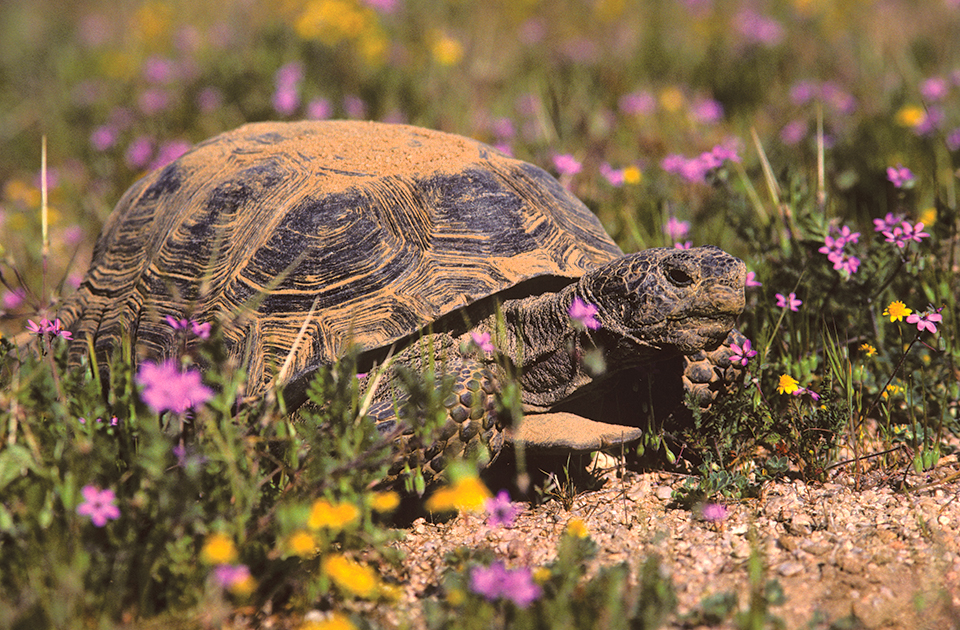
When photographing wildlife, adjust to their patterns and clocks. Here, a desert tortoise feeds on spring blooms in the still of morning, gathering needed moisture. Stay well back so as not to startle the creature.
Overcast conditions match well to forest settings, reducing the heavy contrasts of deep shadows and hot spots. Full light serves open settings. Just as for human portraits, the warmth of the low-angle light — which occurs at the beginning and end of the day — is complementary to animals.
5-Think eyes. Eyes are the windows to the soul and the image. When focusing, concentrate on the eyes. For tiny ground critters such as pikas or prairie dogs, stoop to their level to best capture the sparkle in their eyes and to convey their perspectives and record their mannerisms.
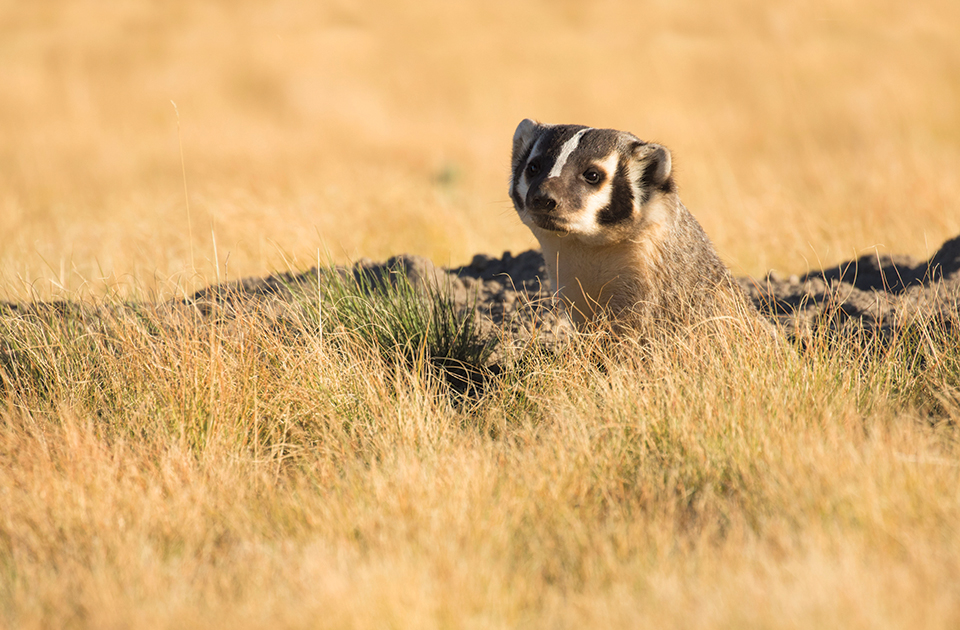
When a rarely seen animal graces your sight, take the shot! There may not have been a second chance to capture this badger.
6-Anticipate where the action is going. Never take a wildlife selfie unless the protection of a cage stands between you and the beast. Every year park personnel report near tragedies where visitors turned their backs on wildlife or otherwise staged the absurd shot. Docile behavior does not indicate tameness. Even pets have moments of bad humor.
At Montana’s National Bison Range, a biologist said an individual bison may gladly abide 1,000 photographs, but come 1,001, look out! Feet strike the ground and a forward burst rocks the earth.
When photographing, consider what’s ahead for the animal. Where will it next land, flee, feed, or drink? Has the dynamic changed? Are there other watchers? Another animal? How will the subject react? Anticipating provides an edge for capturing the great shot and for staying safe.

Wild creatures can be unpredictable and usually are faster than you think, so maintain a safe distance. Some days are better than others; snap a shot to preserve the memory, and enjoy.
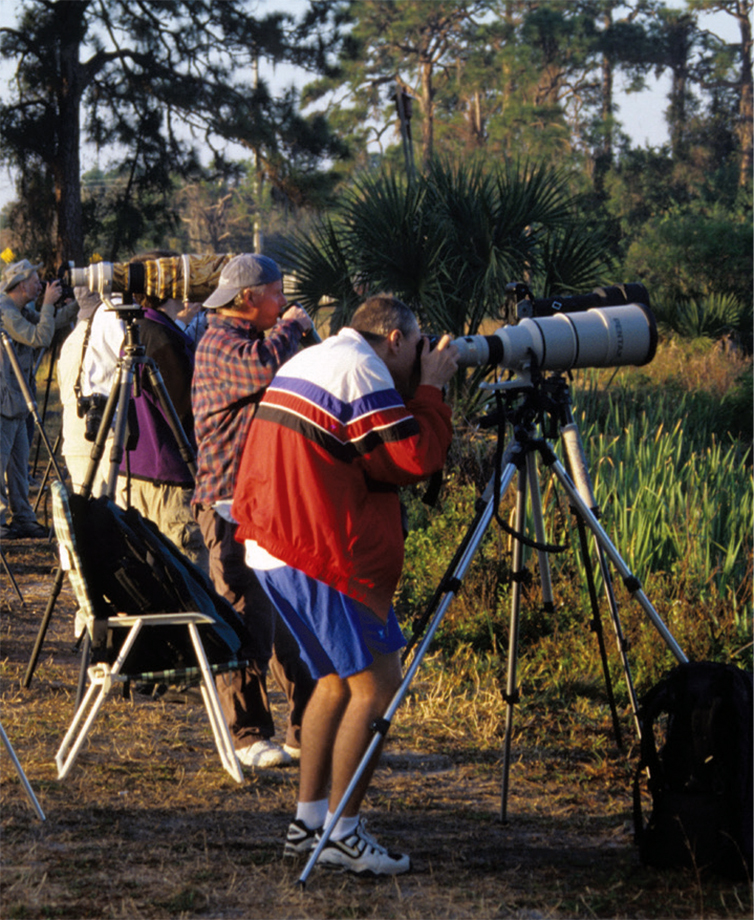
Wild creatures can be unpredictable and usually are faster than you think, so maintain a safe distance. Some days are better than others; snap a shot to preserve the memory, and enjoy.
7-Honor the expectation of safe space. All creatures demand a safe space that must not be violated. In some cases, managers post the required safe viewing distances. The bigger the animal, the bigger the space. Current guidelines for open encounters recommend 100 yards (the length of a football field) of separation when viewing a bear or a wolf and 25 yards (the combined length of two large RVs) for all others. Developed viewing sites may have railings or established walks or platforms that allow closer looks, but in the open, mind the numbers.
Should an animal feel comfortable enough to close the distance, back off slowly and keep alert to changes in its behavior, as well as to any changes around you. Never stress an animal. Winter conditions, nesting, and birthing require special consideration.
I watched as my husband/photographer, George Ostertag, established a working relationship with a cow moose and calf. Keeping his distance, George allowed the animals to grow comfortable with his presence. Midshoot, while all were at ease, an excited onlooker arrived.
With tiny camera fixed to his eye, this onlooker charged headlong at the moose. Neither George nor the cow saw him coming. In the viewfinder, George saw ears drop, nose flare, and a decided change in the cow’s politics. The new arrival had blocked the flight line for the moose, sending cow and calf breaking in George’s direction. I yelled. George fled. No one was harmed, but the situation could have gone sour.
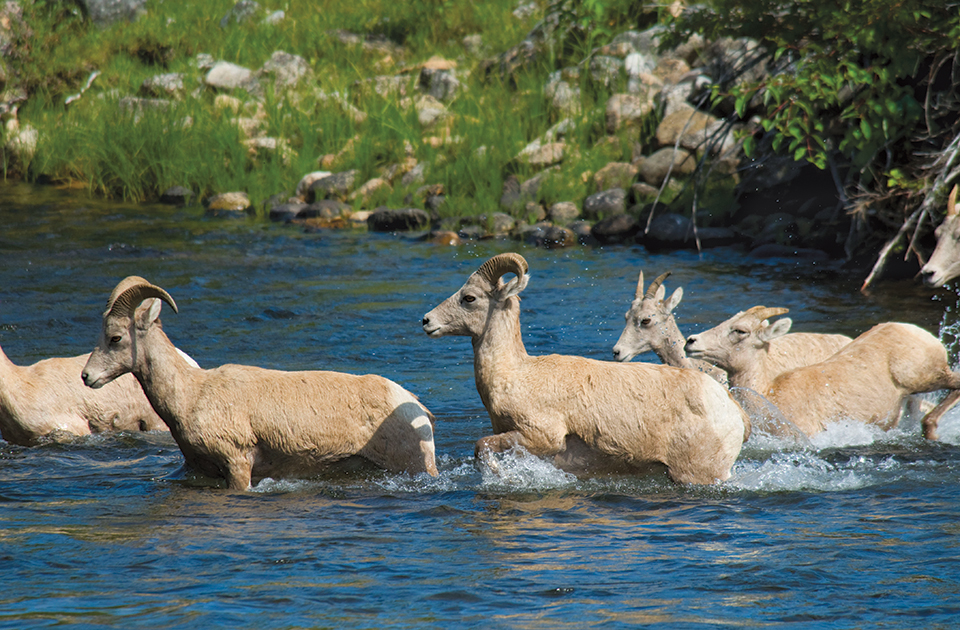
Cherish the unexpected, such as the opportunity to watch a herd of bighorn sheep wade through the East Fork Bitterroot River in Montana. Having the camera ready made it possible to record this moment.
8-When conditions come together, shoot, shoot, shoot. When opportunity strikes and conditions align, keep shooting. While you might check that the lighting is close, never stop to admire or edit while the animal is still present. There will be time for that later. It would be a shame to miss a singular moment, a singular shot, while studying the LCD display. It’s a strong temptation, but a habit to
break.
Taking Your Mastery On The Road
Not all places, all wildlife lands, are created equal. Some hold better opportunity than others.
For big animals, we’ve had great success in Alberta and British Columbia, Canada, where such wildlife abounds and people are few.
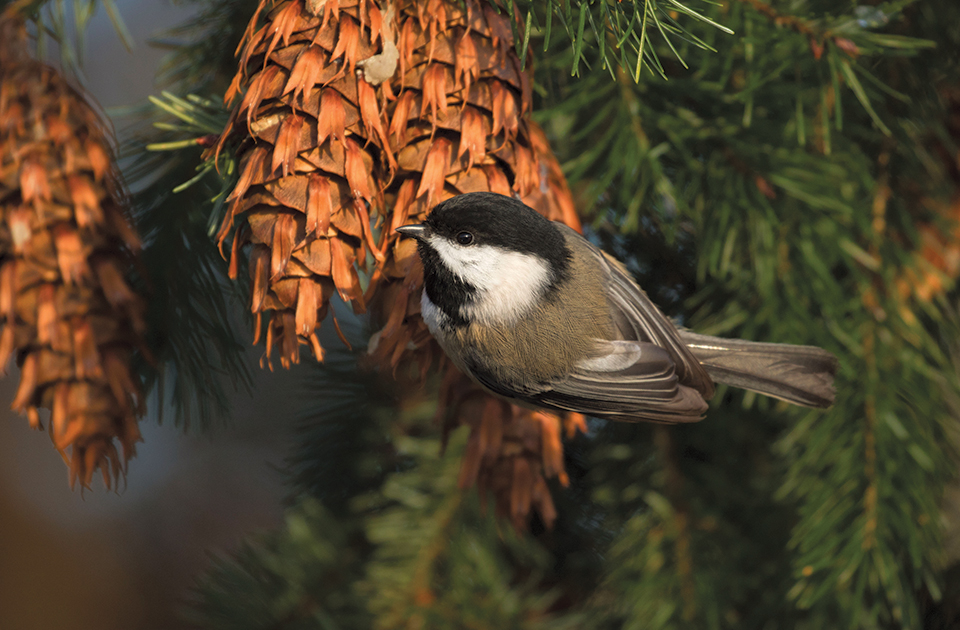
This black-capped chickadee kept busy at a feeding station in British Columbia’s George C. Reifel Migratory Bird Sanctuary.
National and some bigger state parks and wildlife lands in the western United States likewise provide rewarding experiences.
Areas of heavy hunting or heavy cover can limit sightings and the potential for observation and photography, while open areas present challenges of approach. Where possible, use your vehicle as a blind.
In Florida, animals and people frequently exist in close proximity, which peels away fear. Birds, in particular, become accustomed to people, their voices and their movements. Even newbies to wildlife photography can capture splendid shots of individual birds and flocks.
Several Texas state parks (many with campgrounds) have blinds, with stocked feeding stations that attract dependable populations of birds. While adding to your image bank, you’ll likely gather leads from fellow watchers to other viewing hot spots. Cardinals, warblers, buntings, tanagers, orioles, and jays inspire with color.
Butterfly gardens, public gardens, and spring blooms are great places for perfecting skills, affording colorful backgrounds for subjects. Often visitors can sit and let life come to them.
At national seashores and at coastal piers, sanctuaries, and reserves, photographers can focus on seabirds, seals, sea lions, elephant seals, and otters. In California, pupping is a popular viewing time at Children’s Pool in La Jolla; Point Lobos State Natural Reserve in Carmel-by-the-Sea; Año Nuevo State Park in Pescadero; and along the central shore. Oregon has its own barking rocks and piers.
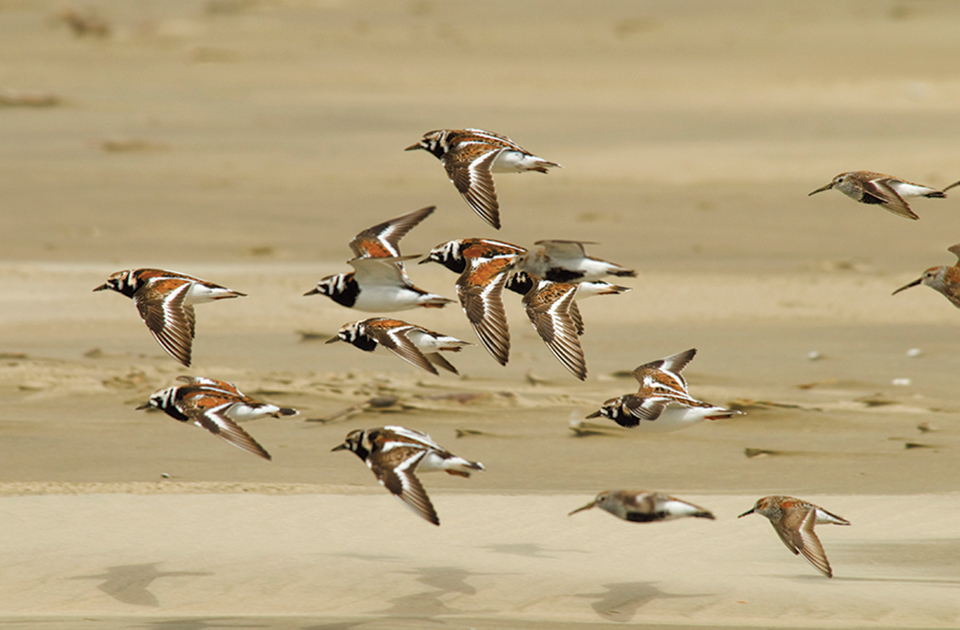
Spring and fall migrations bring gatherings of great numbers and exciting species into narrowed spaces, ideal for wildlife photography. Morning and evening fly-offs treat with a confetti of birds and a thunder of wing beats. Audubon sanctuaries; estuaries; birding trail drives; and other wildlife drives shape fields of dreams for wildlife photography. All that’s missing is you.
By George: A Photographer’s Tip
In any digital photography, it’s important to carry an adequate supply of batteries (charged) and ample memory card storage. Don’t find yourself deleting when the animal is engaged in that once-in-a-lifetime behavior. Batteries and cards are inexpensive relative to the overall cost of the trip. Shooting costs nothing; the expense comes in storing the kept shots. Take lots and edit scrupulously.