
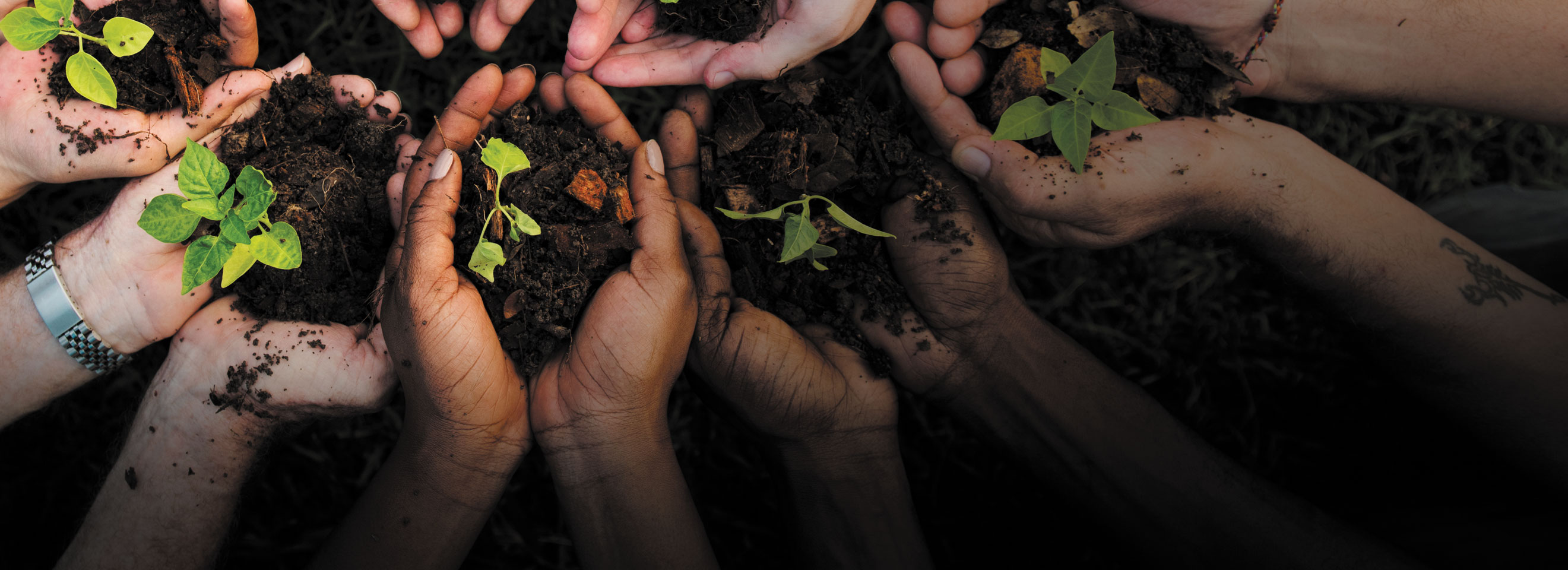
County Extension Service offices throughout the United States provide a seemingly endless variety of educational and community-engagement opportunities for RVers to explore.
By Phillip Meeks
“The County Agent,” a Norman Rockwell painting, appeared in the July 1948 Saturday Evening Post. It depicts a middle-aged man in a khaki work uniform examining a cow in a barnyard. Nearby, a young girl holds a 4H project book, as a farmer and several others hover close by, as though awaiting the wisdom that soon will spew from the agent’s mouth.
Between this depiction and a generation’s familiarity with county extension agent Hank Kimball on television’s “Green Acres,” many may have the wrong idea about the Cooperative Extension Service of today.
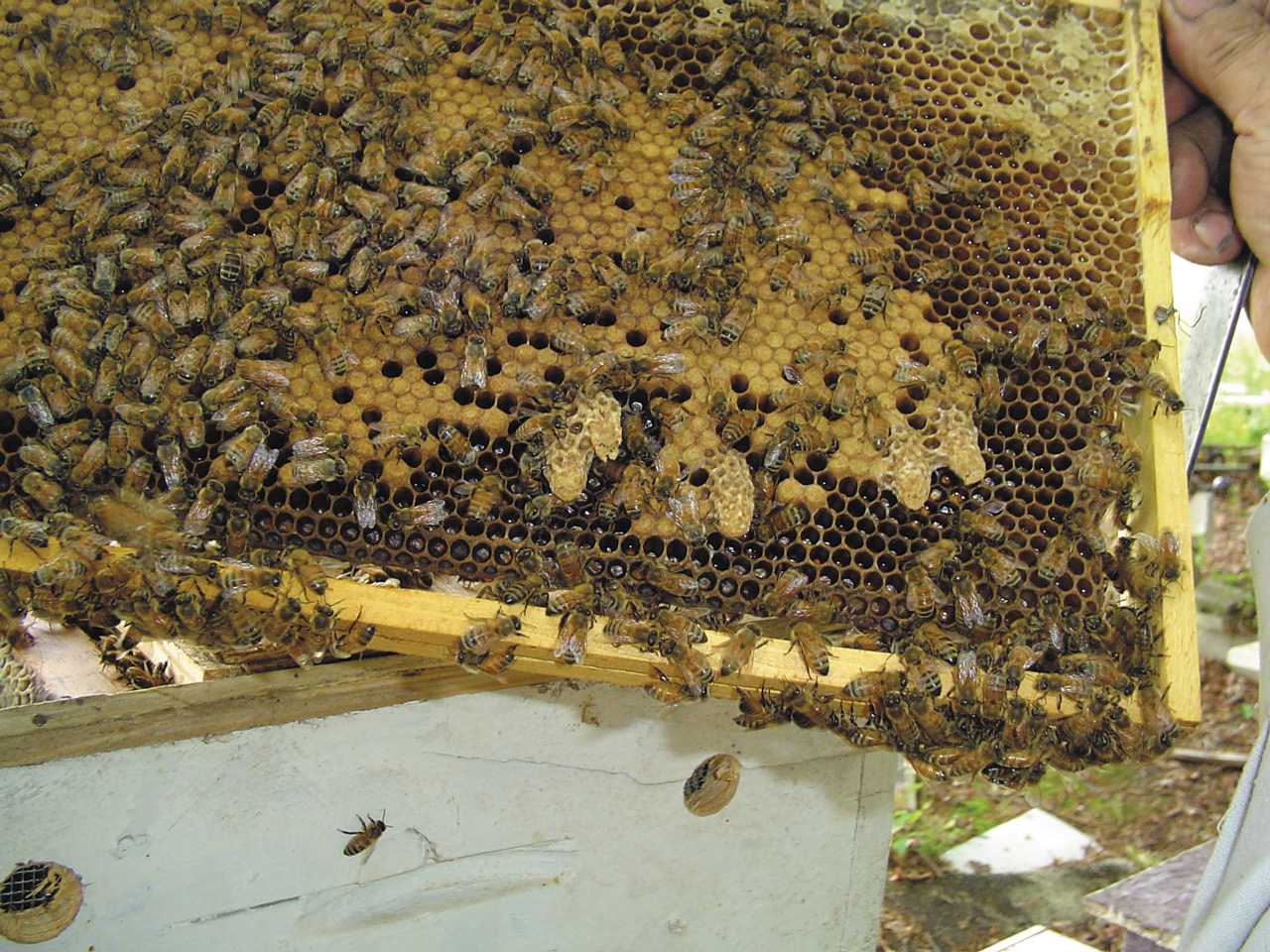
The how-tos of beekeeping are offered by Cooperative Extension Service outlets in many counties.
Yes, Extension agents still are regarded as the local authority on matters related to agriculture. And, yes, 4H remains an Extension program that instills leadership skills in young people from coast to coast. Extension remains loyal to its roots. Those who choose to acquaint themselves with the Cooperative Extension of today, however, will discover the organization is much broader than what they knew years ago. A local office may have something that would capture the attention of every member of an RVing family.
The Cooperative Extension Service is part of the U.S. Department of Agriculture, though the strength of the organization is its grassroots program development. Each Cooperative Extension Service is a branch of the land-grant universities in that particular state; that means a strong bond to the latest research in agriculture, horticulture, nutrition, forestry, and education. But the outreach activities that are developed in each locality are created with input from local councils and are based on local needs. The programs in one county may differ greatly from what’s offered 20 miles away.
Three major program areas are represented by most Extension offices: Agriculture and Natural Resources, 4H Youth Development, and Family and Consumer Sciences (formerly known as Home Economics). Community Development (or Community Viability) is considered another program area, but one that unites all the others. It could be argued that all Extension agents are community development agents; they just approach this through different doors.
Depending on local needs and resources, Extension staff may conduct workshops on environmental education, horticulture, personal finances, or economic development, in addition to more conventional fare regarding livestock, crops, or food safety. In 2004, the University of Kentucky Cooperative Extension Service entered a new arena by creating several Extension Agent for Fine Arts positions; these agents’ efforts have been well-received in the communities in which they’re based.
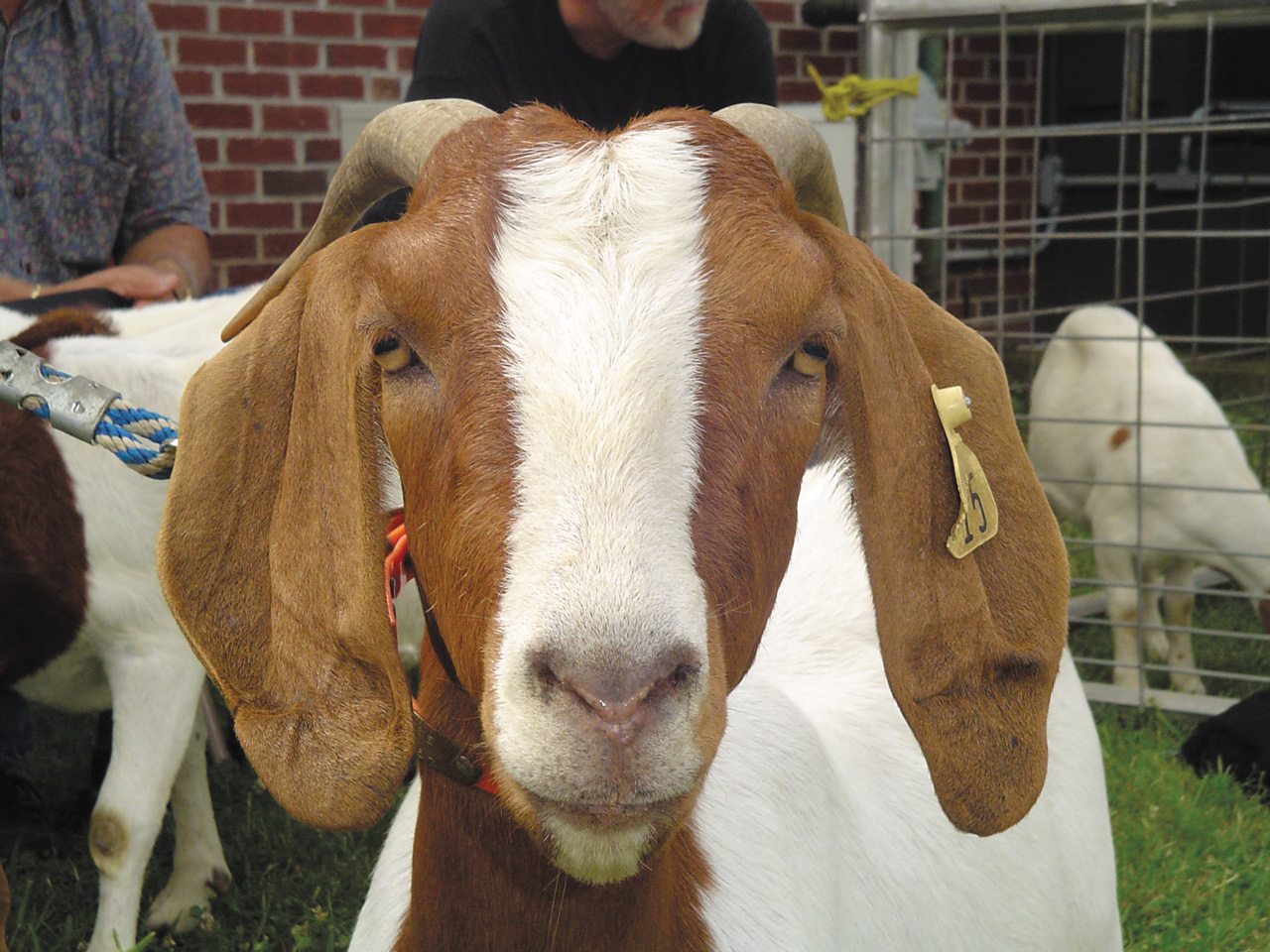
Extension offices present livestock programs for farmers but also schedule field-day events featuring animals that grab visitors’ attention.
It would behoove families who are traveling to a particular destination for a season to contact the Cooperative Extension Service in that area to learn what activities are offered that may appeal to them. Extension also plays a large role in state and county fairs. Because of the size and breadth of some of these events, RVers may want to include a large state fair, or even a county fair, on their travel itinerary.
Just as event calendars vary from one office to the next, so do the facilities themselves. Many offices are situated in the county courthouse or lumped in with other agencies, so parking an RV could require some planning. Others receive considerable support from their host counties and are located on more substantial properties. And a number of offices are on fairgrounds property, where RV parking may be offered for a reasonable fee.
Regardless, a phone call to a particular office should shed light on options for RV parking or camping opportunities in the area. In situations where the event is mobile (such as a farm tour), it’s possible that van or bus transportation may be offered.
Learn A Life Skill
The mission statements for Cooperative Extension Service in most states will contain language that relates to improving quality of life for their citizens by applying research-based information. Thus, educational programming that relates back to specific societal needs will be included among the offerings.
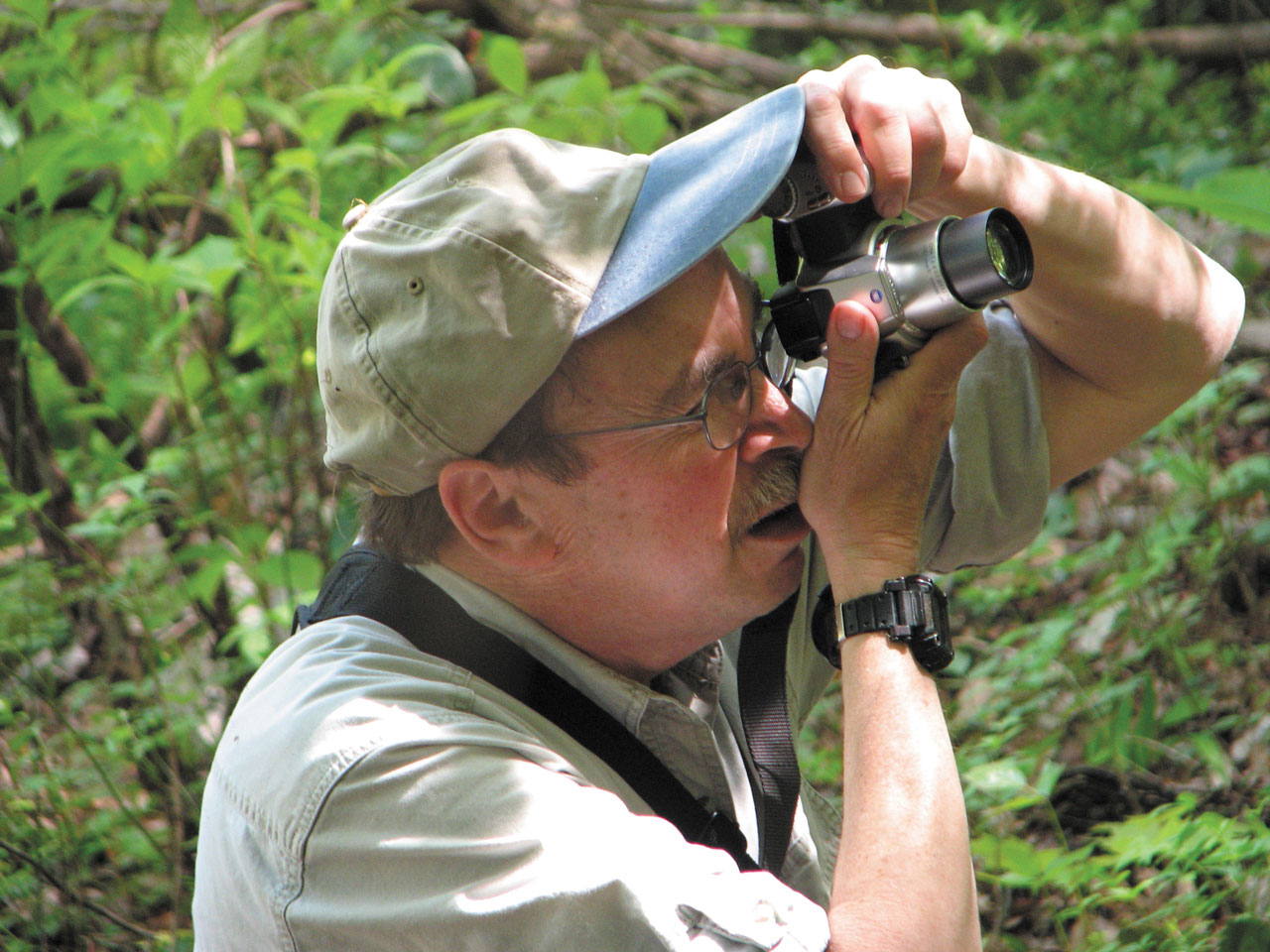
Farm tours and farm field days yield countless photo opportunities. Some Extension offices also offer photography classes.
Financial education commonly is offered to both farm families and the general public. Workshops might focus on home budgeting, couponing, estate planning, or stretching a family’s food dollars. If there’s a demand, classes also could focus on investing or retirement saving strategies.
Emergency preparedness is another subject that is addressed through Extension programming. This may include sessions on creating a disaster kit or storing food and water for the long term. Or, it may relate to specific disasters that are possible in the area: tornadoes, earthquakes, hurricanes, blizzards, etc.
Many programs deal with nutrition. These range from workshops that take participants to a local grocery store to learn how to interpret nutrition labels, to hands-on cooking instruction using local farm products. Extension has done much in recent years on combatting obesity and on living with diabetes, for instance. It’s also worth noting that Extension conducts the education and planning for the federal Supplemental Nutrition Assistance Program (food stamps).
For individuals with an interest in starting a small business, Extension may offer workshops on business plan development, marketing, or legal requirements (such as the labeling and retailing of certain food products). A local office might offer a workshop on writing grants, creating a business website, or other entrepreneurial topics.
Gain A Hobby
If a traveler is interested in picking up a new hobby, many Cooperative Extension opportunities can be found. Examples of workshops taught by Extension staff or volunteers might include:
- Beekeeping
- Native plants
- Flower arranging
- Quilting
- Outdoor cooking
- Organic gardening
- Painting
- Maple syrup making
- Healthful desserts
- Cake decorating
- Canning/home preservation
Farm tours or farm field days always have been a part of Cooperative Extension. They continue to be so in order to promote local farm products or to demonstrate new management techniques. Such events can go a long way toward acquainting the traveler with the community in which he or she is staying, or even sparking ideas that can be carried back home.
Likewise, Extension or its affiliates sometimes offer walking garden tours or similar activities.
Youth can participate in 4H projects or day camps to learn about any number of topics that could become hobbies or vocations down the road.
Volunteer
Today’s Extension is more dependent than ever on volunteers to move the program forward and to reach underserved audiences in the community. It’s here that RVing families might find a niche that suits them. Volunteers may lead a workshop or write a news column. If a family tends to spend an entire season at a given location — or better yet, if they return to that locale year after year — it may be possible to plug into such local volunteer programs.
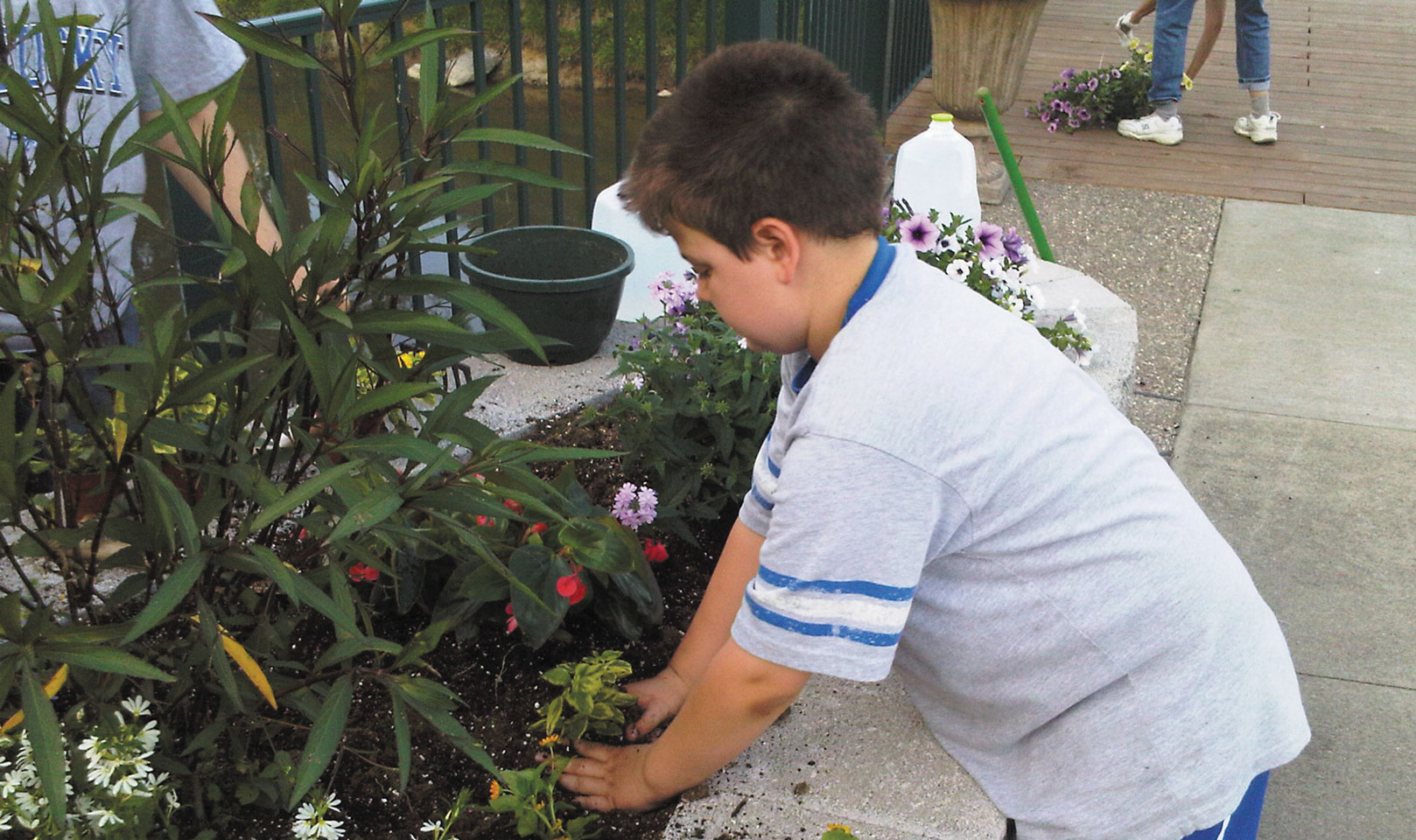
Participants of varying ages and skill levels can volunteer their time, sometimes when attending Extension presentations or workshops.
Myriad “Master” volunteer programs are found within the organization. All 50 states, for instance, now have a Master Gardener Program, where individuals with a horticultural interest receive a minimum of 40 hours of intensive classroom instruction in soils and fertility, botany, entomology, plant pathology, and other topics. They then earn their badges by contributing 40 to 60 hours of approved volunteer work, which could include answering questions at a garden center booth, leading a demonstration garden effort, teaching a class, or writing an article for an Extension newsletter.
Other programs that may be offered in a state include Master Naturalist, Master Woodland Owner, Master Food Volunteer, Master Beekeeper, or Master Clothing Volunteer, to name a few. (The Master Cattleman Program is also a common program, although there’s not typically a volunteer component, per se, unless a participant agrees to mentor a new farmer.)
Of course, even for families who aren’t in one spot very long, Extension staff usually are eager to work with volunteers with a particular skill set for a one-time workshop or presentation. Those who are interested in giving back to the community in which they’re staying should introduce themselves to the agent or agents at the nearest Cooperative Extension Service office. (Note that background checks and training, such as a child abuse prevention class, typically are required.)
The simplest way to gain a better understanding of the Extension programming in a particular locale is to find that county’s or town’s Extension website. Many agents and program assistants now have a presence on social media, too.
In a search engine, type in the name of the state that will be visited, followed by “Cooperative Extension Service.” That will provide links to the land-grant university that administers the organization, and include an overview of specific educational offerings. Links to county offices from that central site will be included as well.
A few years ago, Extension upped its online resources through a website for Extension professionals and the public — www.eXtension.org — from which one can find information on specific topics, webinars, and links to local offices.
Since its creation by the Smith-Lever Act of 1914, the Cooperative Extension Service has evolved through the decades as society and its needs have changed. A flexible traveler with an interest in bettering their host communities, or themselves, could find a home away from home within this far-reaching organization.