
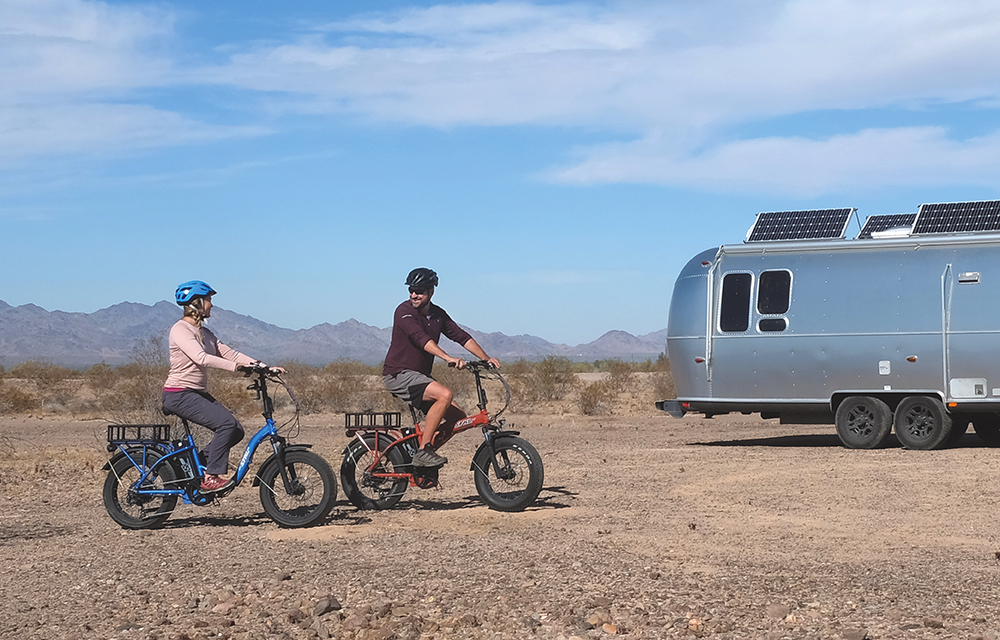
Seemingly endless and enjoyable options await RVers who want to become more active in their travels.
By Lauri Stumph
April 2020
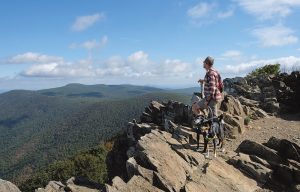
Exploring the Blue Ridge Mountains in Shenandoah National Park, Virginia.
A new catchphrase has been floating around in regard to exercise and activity: “Sitting is the new smoking.” It places more emphasis on the risks of being inactive as compared to a simpler recommendation such as, “Exercise more.”
As RVers, we get to travel daily, see new things, and meet new people. But this cross-country travel also comes with some long days of sitting and feeling fatigued after driving. And when it comes to daily exercise, we can get drawn into Netflix binges, extended social hours, and “I don’t feel like it” stalling, just as our house-dwelling counterparts do.
The Centers for Disease Control and Prevention (CDC) recommends that adults age 18 and over get at least 150 minutes of moderate aerobic exercise, 75 minutes of vigorous exercise, or a combination of the two each week. Currently, only half of adults get the recommended amount of exercise. The CDC does point out, however, that any moderate to vigorous activity has health benefits, even when one does not reach the weekly recommendation.
Paddleboarding in Baja Mexico.
As we all know, exercise is important. It reduces the risk of chronic diseases such as type 2 diabetes and heart disease. Exercise also improves brain function, leads to better sleep, decreases the risk of depression and anxiety, improves joint mobility, and reduces the risk of falls. A relevant point for travelers is that exercise can improve or maintain one’s health, which, in turn, decreases medical expenses, leaving more money available for additional travel. Also, healthy RVers may not have to stick around somewhere waiting on another doctor appointment.
Here are some fun, unique, and easy ways RVers can add daily activity to either maintain or improve health and ensure we’re enjoying this lifestyle to the fullest for years to come.
Fitness Apps
If you have a smartphone, you likely have a basic fitness application already included, or have access to a free or inexpensive app to download. Use an app to track daily steps and gradually increase your activity each day. If you’re interested in more in-depth information, including heart rate, calories burned, sleep, nutrition, daily steps, and exercise, there are activity monitors (also called fitness trackers) such as Fitbit, Apple Watch, Polar, and Garmin devices. I’ve had a basic Fitbit for years. I look at it in the late afternoon to see whether I’ve made it to my daily step goal; if not, an evening walk is added to my to-do list. For some additional motivation, get some friends together and track steps to see who was the most active that week.
Gym Memberships
If you do well with a structured, dedicated time and place to exercise, look into gym memberships. Several chains such as Planet Fitness, YMCA, Snap Fitness, and Orangetheory Fitness offer some form of nationwide access to their facilities. Choose a gym with exercise activities you enjoy — perhaps treadmills, free-weights, or group classes. Check gym membership benefits for free guest passes to save some money if you want to bring a friend or partner.
If you’re over 65, check with your Medicare Advantage program or private insurance company to see if you’re eligible for SilverSneakers. This is an excellent program that allows free gym access across the United States.
GPS Map Apps
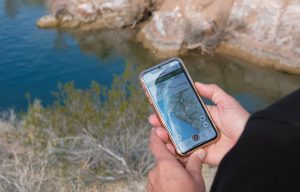
The AllTrails app can be used to find hiking trails in unfamiliar areas, ranging from easy to difficult. With an upgraded subscription, this app can track the user’s activity.
When you feel as though you’ve exhausted all the trails in a particular park, or you aren’t sure where to go when visiting an unfamiliar area, consider some great hiking map apps that are available for smartphones (Android and iOS). Whether you’re seeking a stroll through the woods or a trek up a mountain, an app can suggest dozens of available hikes in any given location, ranging from easy to difficult. Some apps include user reviews and note trail conditions.
I’ve used the AllTrails app for years and recently upgraded to a subscription. I can track my hikes, including how far I walked and for how long. I’m able to save all of this information — not only to track my activity but to help me remember an amazing hike I took so I can pass that information on to fellow travelers and friends.
Other free or subscription apps include Gaia GPS, REI Co-op Guide to National Parks, GPS Tracks, and Komoot. Subscribe to your favorite app newsletters to be alerted about discounts. I snagged a 50 percent subscription discount on my favorite app this way.
Walking And Biking
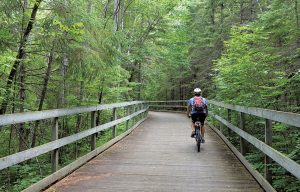
Biking in Itasca State Park, Minnesota.
It’s easy to hop in the golf cart and head to the RV park office to pick up mail, or drive to the visitors center from the campground. Simply replacing one of those drives with a walk or a bike ride is an easy way to increase daily activity. Research suggests that walking affords an extensive list of benefits, including better management of high blood pressure and cholesterol, and stronger bones and muscles. Biking offers those advantages and more, such as improved posture and coordination, lung capacity, and brain processing speed.
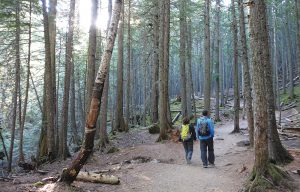
Trekking through a dramatic wooded setting.
A fairly new addition to the bicycling landscape is the often talked about e-bike. We recently added Sykl Power Bikes to our RV life and use them more often than I expected. I love hiking and walking, but the e-bikes will take us just a little bit farther than we would have gone on foot, and more often. They also are handy for a quick trip to the store for groceries. Research shows that less effort is expended when using e-bikes, but riders still exert moderate effort on flat surfaces and vigorous effort on hills. Riders have reported that they enjoy e-biking more than standard biking, and e-bike studies indicate that the brain benefits of both types of bikes are equal. With so many e-bike options now available, consider checking with your RV neighbors to see whether they have an e-bike you can try before you buy.
Yoga
The benefits of stretching and yoga are numerous: improved mental clarity, mood, and cardiac health, among others. Yoga studios generally offer very affordable walk-in pricing. If you’ll be in one area for a month or more, inquire about a monthly rate; some studios even offer one free session. I enjoy walking by local yoga studios to get a feel for the place and will stop to pick up a schedule. Most studios provide great descriptions of classes on their printed schedules or websites, including information about the various levels of classes they offer, so you needn’t worry about jumping into a session that may be over your head. Even in beginner classes, instructors typically suggest modifications to particular postures, which makes yoga a great activity for any age or fitness level.
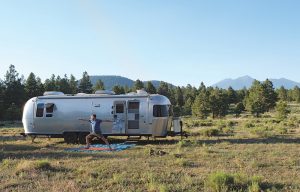
Practicing yoga in Flagstaff, Arizona.
If you prefer a solo yoga experience, check out YouTube videos or phone apps. I enjoy Yoga with Adriene on YouTube.com and have received recommendations for the Down Dog and Daily Yoga apps.
Weights And Resistance Equipment
We don’t carry weights in our RV, but we know plenty of people who do. Lifting weights is an important way to maintain and build muscle mass and bone density. But for those of us watching our RV’s weight, equipment substitutes can include soup cans, resistance bands, or rubber tubing.
Body-weight exercises are equally beneficial. I carry a TRX suspension trainer in the RV. A $20 balance/yoga ball is another easy body-weight exercise option. You also can grab a yoga mat or towel and do body weight exercises without any equipment at all. TRX and TheraBand both have home exercise plans online for free. Again, YouTube is a great resource.
Town And Park Amenities
I really enjoy exploring the parks, pools, and pastimes we find during our travels. Stop in at a chamber of commerce to pick up a visitors guide for tips on what to see and do in the area. Even the smallest towns often have visitor information, or at least a friendly employee who is excited to suggest area activities and attractions. Often, one-day pool passes cost less than $10 and, as a bonus, some include a hot tub or sauna.
For days spent closer to “home,” check out what an RV park or state park has to offer; or, even choose which park to stay in based on its activities. Hike, play pickleball or tennis, swim, lift weights, or simply walk around the grounds to meet other travelers.
Make A Goal
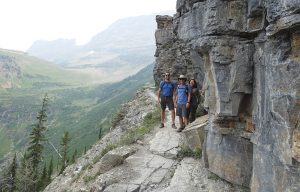
The author’s husband and friends stop along a pathway in Glacier National Park, Montana, with soaring views of the Rocky Mountains nearby.
There are some cool ways to incorporate your love for a specific activity into your travels and use it as a daily, weekly, or monthly motivator for exercise. I’ve had friends whose goal is to complete a 5K or to kayak in each state they visit. Create a 52-hikes-a-year goal if that’s your interest, or aim to walk five miles in each town you visit. Exploring on foot is a great way to find those hidden jewels, such as street art, community parks, and hole-in-the-wall restaurants. It’s a fun way to stay moving!
As RVers, we’re in a unique position to explore new towns, parks, cities, nature preserves, forests, provinces, and states, sometimes on an almost daily basis. We can enjoy ever-changing scenery as a backdrop for home exercises, and have access to thousands of biking, hiking, and walking paths every year. New routines and activities don’t always come easily, but try some out to see what you prefer. Stick with them, and soon you’ll be craving more.
The suggestions in this article easily can be modified to fit your current fitness and activity level. They can be increased as you begin to feel stronger and develop more endurance. As always, consult with your physician before you begin any new exercise program.