
Campground Spotlight
Matagorda Bay Nature And RV Park
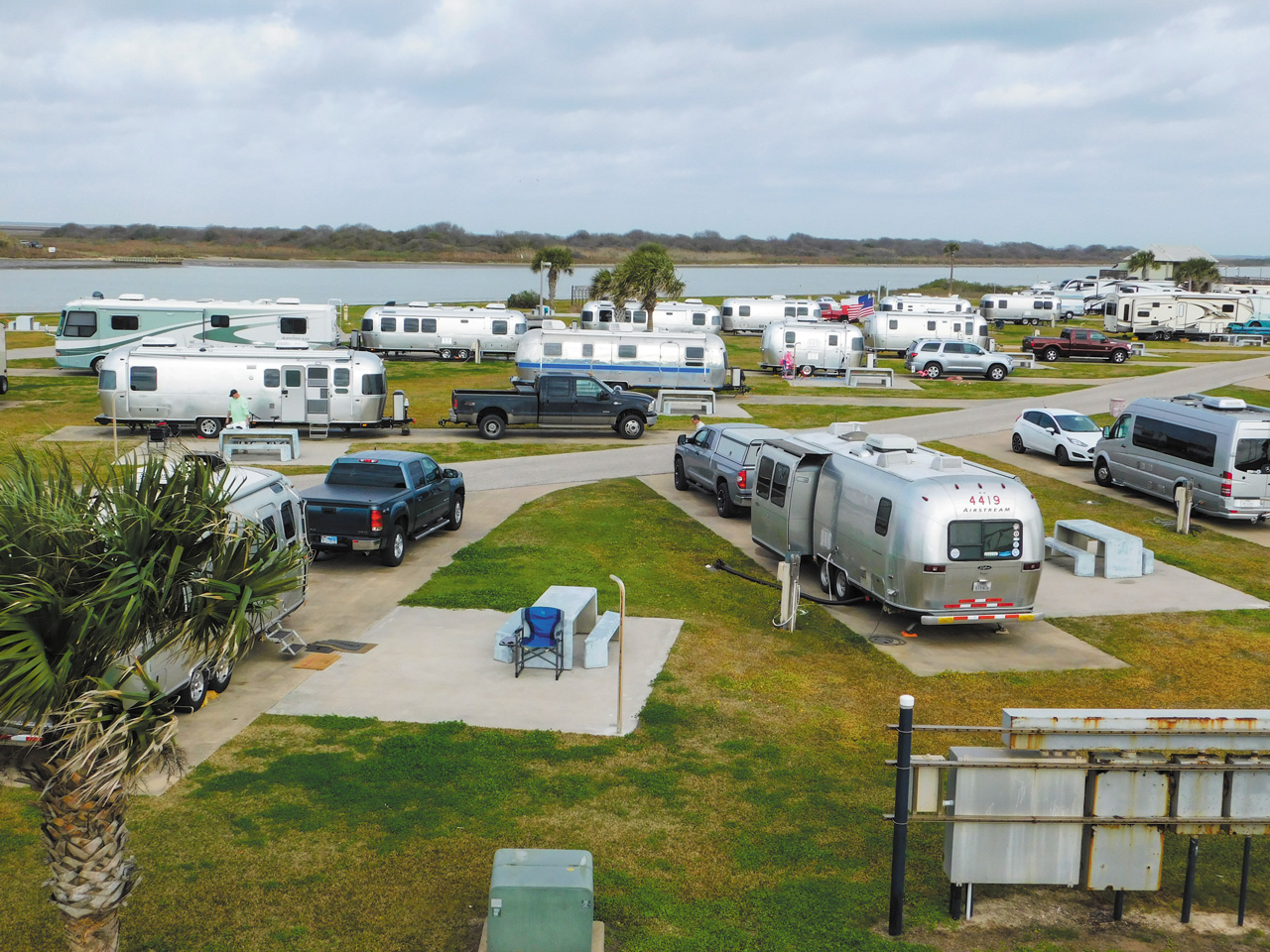
Almost smack dab between the Texas Gulf Coast cities of Corpus Christi and Galveston lies the small town of Matagorda. And approximately 6 miles south of there, near the mouth of the Colorado River, is 1,000-plus-acre Matagorda Bay Nature and RV Park.
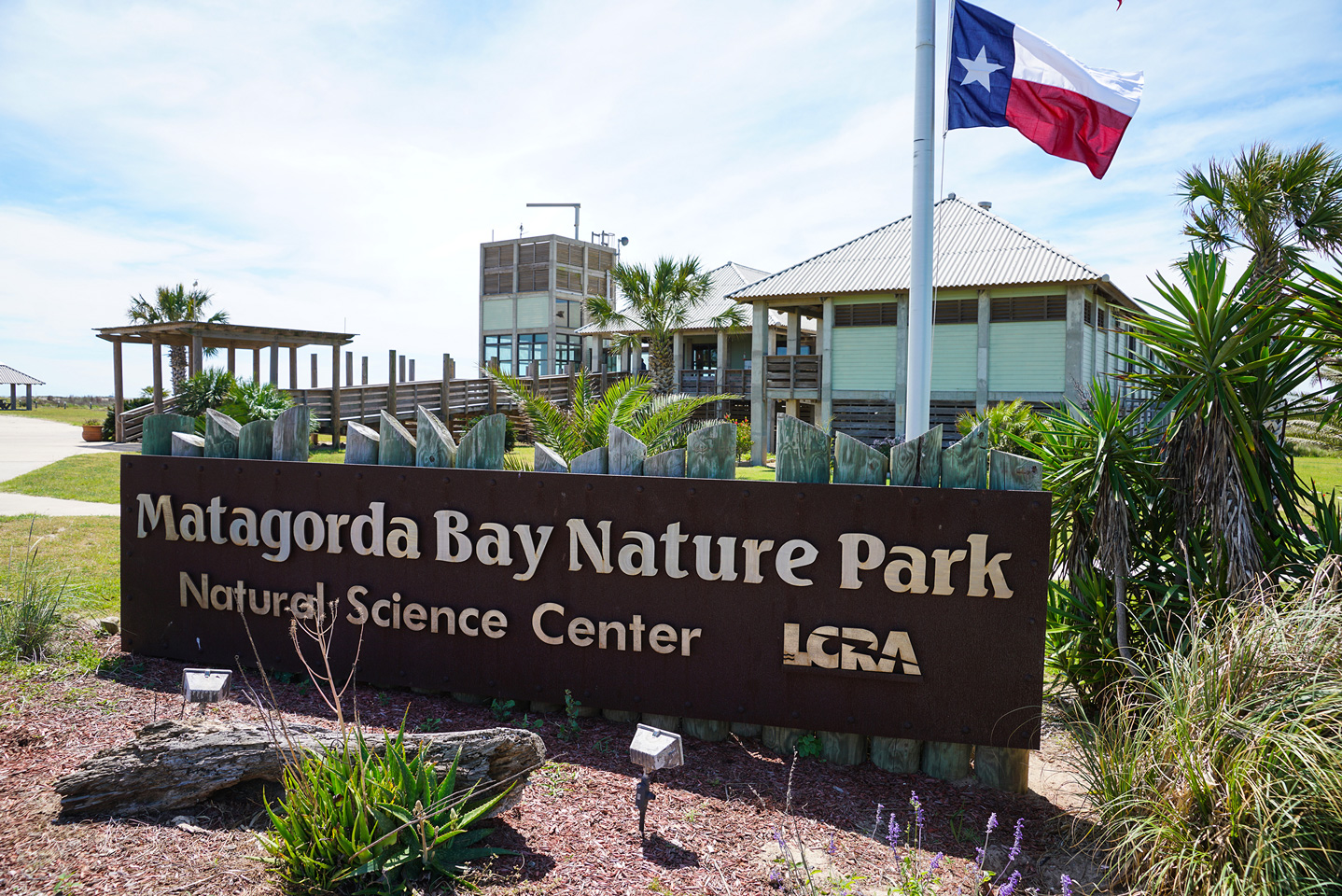
The park is on the Matagorda peninsula, with miles of Gulf of Mexico beachfront and river access. Outstanding bird-watching and fishing, plus numerous other activities, make it a place where RV guests can stay as busy or as laid-back as they desire.
The campground is within walking distance of the river and the beach. It has 70 concrete sites, Wi-Fi, rest rooms, a laundry room, and a store. But otherwise, there is not a lot of development; nature comes first. For dining out and other town-related amenities, a drive back up the road is necessary.
Campers like the peaceful coastal atmosphere. They can avail themselves of the park’s organized kayak trips along the river and in the wetlands, or create their own with rental kayaks. A boat ramp, a group-size rental facility, and a mini golf course also are available. In the summer, day camps for kids attract area children; RVing youngsters are welcome to join the scavenger hunts, arts and crafts, and much more. Year-round, adults can take part in potlucks, cornhole games, “paint and sip” classes, bingo, poker, and other pursuits.
The park is hosting its inaugural Vintage RV Rally, “Golden Oldies,” September 11 to 13, 2020. Owners of all kinds of vintage RVs are especially welcome to come and enjoy shared meals, activities, a vintage photo shoot, and games. For more information about the rally, contact Denise Matlock at denise.matlock@lcra.org.
Details
Matagorda Bay Nature and RV Park, C13591*
6430 FM 2031
Matagorda, TX 77457
Info: (979) 863-2603
Reservations: (855) 392-7638
https://www.lcra.org/parks/Pages/Matagorda-bay-nature-park.aspx
*This FMCA commercial member park extends a 50 percent discount to FMCA members.
Food
In Search Of Vintage Diners
Looking for a fun spot to enjoy a meal during your RV travels? Consider an old-fashioned diner.
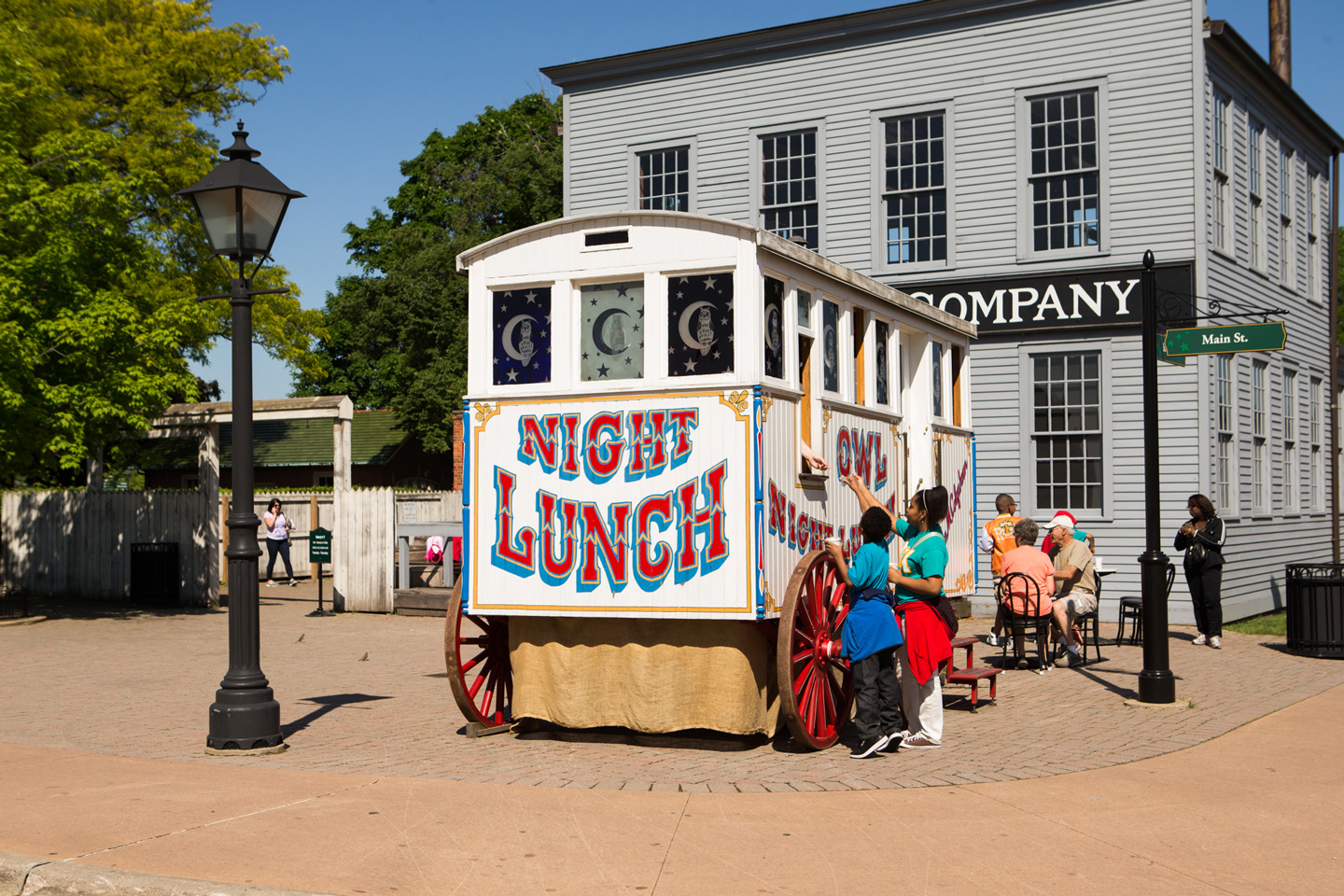
Guests at Greenfield Village, part of The Henry Ford, patronize the Owl Night Lunch Wagon (top), much like Henry Ford did in Detroit during the 1890s.
According to a June 2010 article at Smithsonian.com, the diner concept sprang to life in Providence, Rhode Island, in 1872 when an enterprising man named Walter Scott set up a “night lunch wagon” for workers and others who were out and about after restaurants had closed for the day. Folks enjoyed their meal on the curb, but ultimately wagons with seating came along, and the term “lunch car” was introduced. Later, they became known as “dining cars,” which was shortened to “diners.”
Factories produced and shipped diners to be set up on location. Many were made from gleaming stainless steel. According to the Smithsonian.com article, during the 1950s they reached a peak of approximately 6,000 in operation from coast to coast, with a heavy concentration in the Northeast.
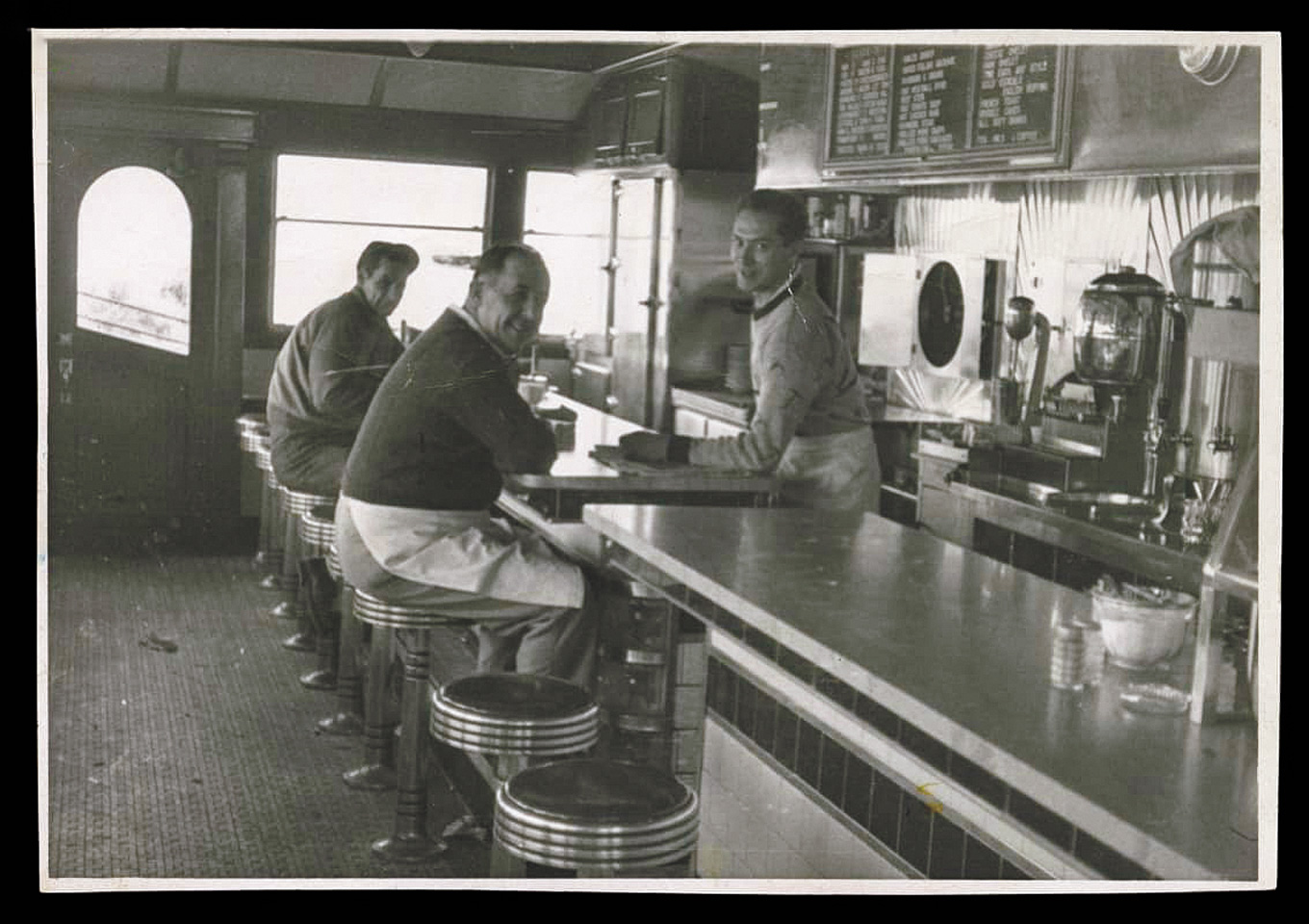
Customers at Lamy’s Diner, circa 1946, at its original location in Massachusetts.
Today, more than 30 diners in the United States are on the National Register of Historic Places. The Food Network provides a list of them at https://bit.ly/historicdiners. Many others exist as well. Richard J.S. Gutman is the leading expert on the subject, and his book American Diner Then And Now listed 1,400 diners in operation when it was published in 2000. No doubt some of those have disappeared, and some on the National Register may not be in operation today; so, it’s best to check before you plan a visit.
One place where you definitely can enjoy the diner experience is The Henry Ford Museum Of Innovation in Dearborn, Michigan. A visit to the museum’s Lamy’s Diner transports guests back to 1946 New England, complete with period menus, paper straws, an iconic counter, and classic comfort food.
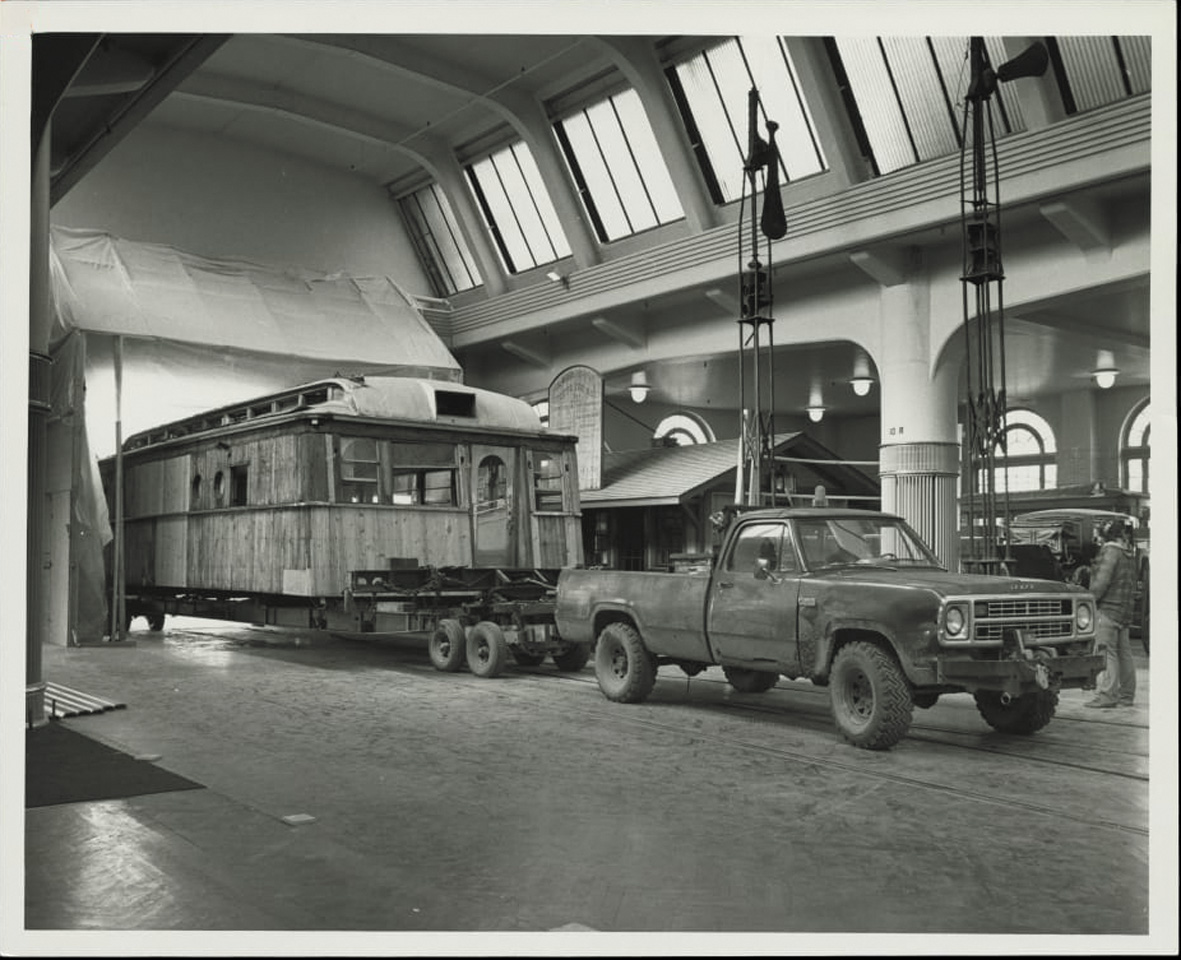
Lamy’s Diner moved into The Henry Ford in 1987.
The 40-seat diner was built by the Worcester Lunch Car Company in Massachusetts, a premier New England diner manufacturer. This particular diner was owned and operated by World War II veteran Clovis Lamy from April 1946 until 1949 in his hometown, Marlborough, Massachusetts. It was purchased by The Henry Ford in 1984.
Greenfield Village at The Henry Ford is home to a reconstruction of the Owl Night Lunch Wagon, the last surviving lunch wagon in
existence.
Mr. Gutman was instrumental in the move of Lamy’s Diner and in the reconstruction of the Owl Night Lunch Wagon. So, this relationship with The Henry Ford was key in his decision that the museum should house his collection of photos, manufacturers’ drawings, postcards, menus, stools, and more — the largest diner-related collection in the United States. The acquisition took place in September 2019.
If you’d like some good grub served up with a side of nostalgia, be on the lookout for these pieces of Americana during your travels.
App File
Pet Health
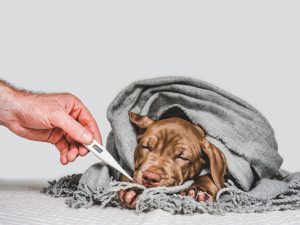
The well-being of your furry family members is important. Just remember that an app is no substitute for veterinarian care.
 PetCoach by Petco: Users can ask questions anytime about a pet’s health, nutrition, behavior, and other topics, and receive answers for free from certified veterinarians, dog trainers, pet nutritionists, and other experts. (Be aware that the app’s vets will not provide a diagnosis or prescribe medication.) A database of thousands of questions and answers is available, along with hundreds of vet-authored articles about pet care. Free for iOS and Android.
 PetDesk: With this app, pet owners can manage their pet’s health in one place. Users add contacts for their veterinarian, groomer, boarder, and other pet care providers; request appointments and receive reminders on their phone; create reminders for a pet’s medications; and request medication refills. Free for iOS and Android.
 Pet First Aid — American Red Cross: Step-by-step instructions — some of which are supplemented with videos — explain how to administer medication and what to do in emergency situations, including breathing problems, bleeding, poisoning, seizures, and wounds. Users can test their knowledge with interactive quizzes. Using your current location, you can search for nearby animal hospitals. A toggle button switches between dog and cat content. Free for iOS and Android.
Travel Tip
Recycling While RVing
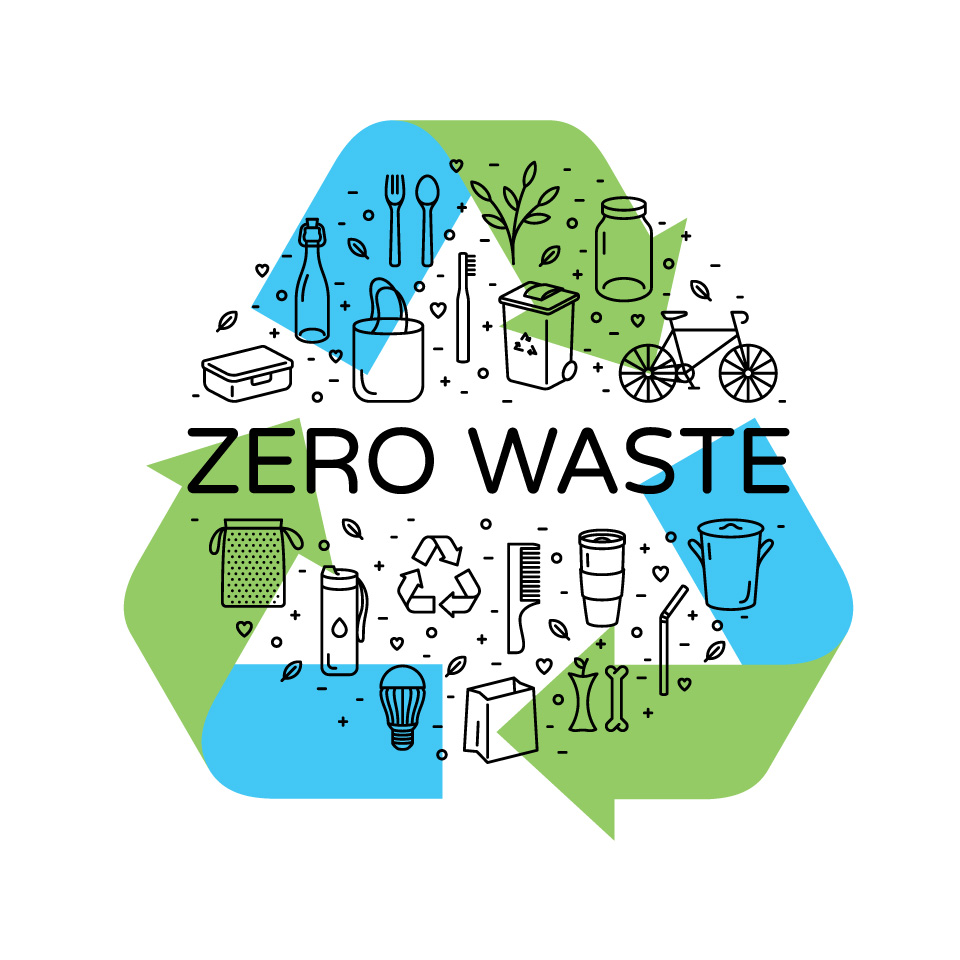 Although it might not always be easy to recycle while traveling in an RV, with a bit of forethought, it is possible. And it helps if we all do our part to avoid sending unnecessary items to the landfill, and to keep things such as plastic bags and bottles from polluting our waterways and from harming wildlife.
If you’ll be returning to your sticks-and-bricks home and have a recycling program there, you just need to set aside an appropriate container to collect the items during your travels. If you live in your RV full-time or are on an extended trip, the process is a bit trickier but still doable.
First, ask whether the campgrounds where you are staying have a recycling program. If not, staff may be able to refer you to a nearby collection point. Or, websites such as www.recyclenation.com and www.earth911.com have search functions that can help you to locate a drop-off place in the area.
You’ll also want to make sure you understand the guidelines provided by the recycling program you’re using. Adding improper items to the mix can pose problems. For instance, what type of plastic containers can they accept? What about paper?
Here are five general recycling tips:
1. Rinse the containers. Most recycling programs ask that you rinse the containers first. This helps to avoid attracting insects and to eliminate odors.
2. What to do about lids and caps? Find out whether the recycling program accepts the caps and lids for containers, and whether they want them attached to the original container or separated. This varies depending on the capabilities of the program.
3. The numbering system. Most plastic containers have a recycling logo on them along with a number designation. The number distinguishes the type of plastic and can help to determine whether a recycling program accepts the container. For instance, the number 1 indicates that the plastic is PET or PETE — polyethylene terephthalate. This type of plastic commonly is used for water bottles, soda bottles, and food containers such as peanut butter jar, and is the easiest to recycle.
4. Cardboard and paper recycling. Food is one of the worst contaminants in the paper recycling process. And pizza boxes are frequent offenders. If the pizza box or other paper products you’re hoping to recycle have greasy, messy spots, you’ll need to either remove that portion or put the entire thing in the trash.
5. Plastic bags. Plastic shopping bags require special treatment. They can damage the machinery at recycling plants, so they should not be tossed in the bin with other recycling materials. However, many large grocery store chains provide containers near the entrances to collect these bags for recycling. Many stores have been encouraging shoppers to bring reusable bags, but the COVID-19 pandemic has made that option less desirable for now.
Check out the www.earth911.com website for a host of other recycling tips.
We also can help the cause by attempting to purchase products that use less packaging, by favoring reusable water bottles over disposable plastic versions, and by finding new uses for things whenever possible. Remember that small efforts add up.