
Exploring
All Aboard!
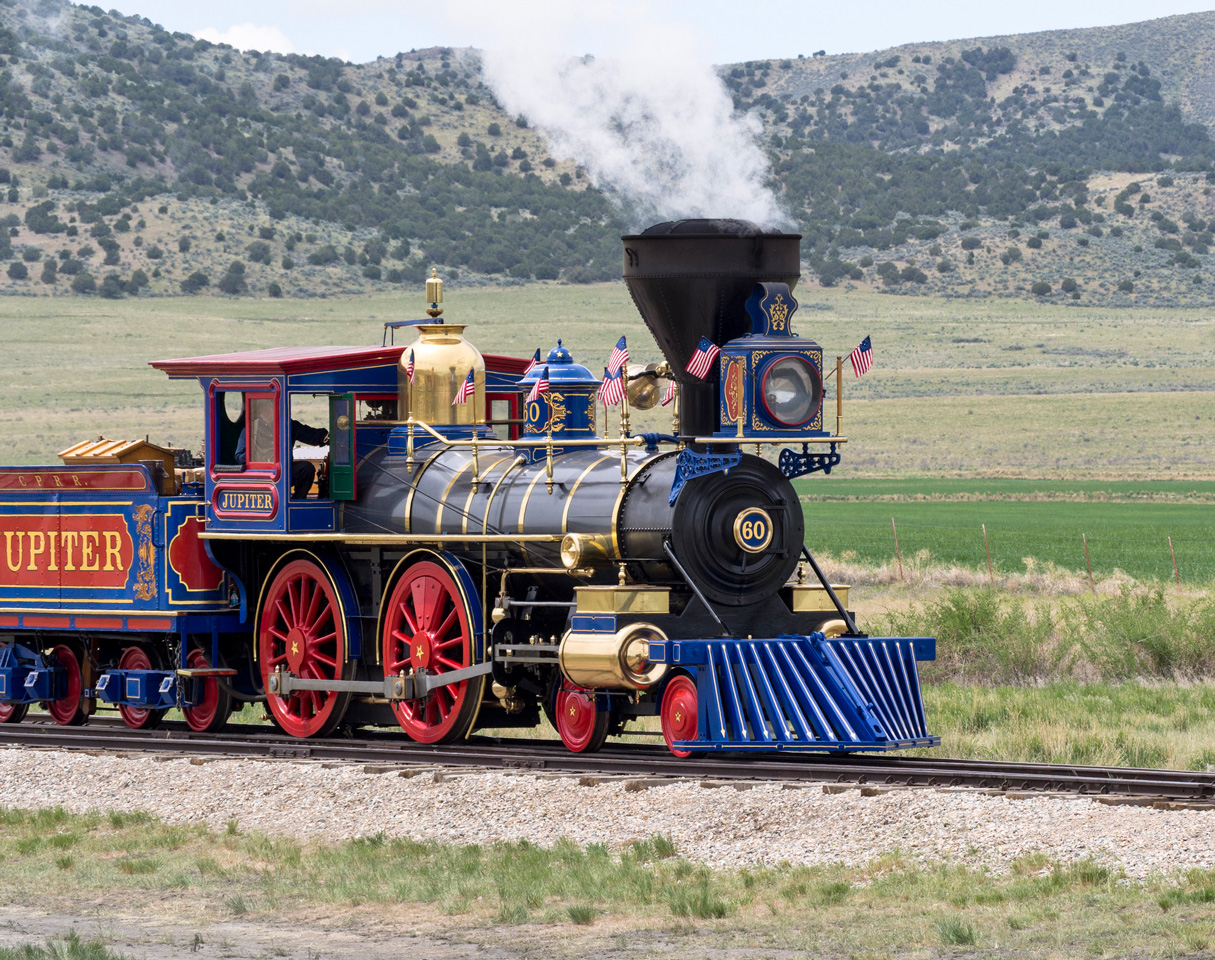
Utah’s Golden Spike National Historical Park displays replica steam locomotives. Park re-enactments depict the driving of the last spike that created the United States’ first transcontinental railroad on May 10, 1869.
This resource traces the journey of the first transcontinental railroad and brings railroad history to life in a fun and engaging way.
“Children of all ages are naturally intrigued by trains, but the Railroad Explorer book helps them understand how the railroad connected the nation 150 years ago, changing the way Americans live, eat, and travel,” said Scott Moore, Union Pacific senior vice president of corporate relations and chief administrative officer.
“While gaining an appreciation for rail history and our national parks,” he added, “Railroad Junior Rangers will also learn to always keep safety in mind — never walk on or near the tracks, and only cross at designated locations.”
The Junior Ranger Railroad Explorer is one of many Junior Ranger programs available online; each features a site or theme tied to public lands. Some of the other explorations focus on archaeology, paleontology, spaceflight, and the many sounds heard in parks.
The National Park Foundation also supports the Junior Ranger “Let’s Go Fishing!” activity booklet. Both the railroad and fishing programs are part of the foundation’s broader mission to protect national parks and connect people to them.
Junior Ranger activity booklets encourage youngsters to discover the breadth and depth of the National Park System, learn about the outdoors and human history, and understand the importance of preserving national parks. Plus, they can share their experiences with friends and family.
For more information about the Junior Ranger Railroad Explorer program, and to download a copy of this booklet and others, visit www.nps.gov/kids/junior-rangers.htm.
Campfire Treats
S’more, Please
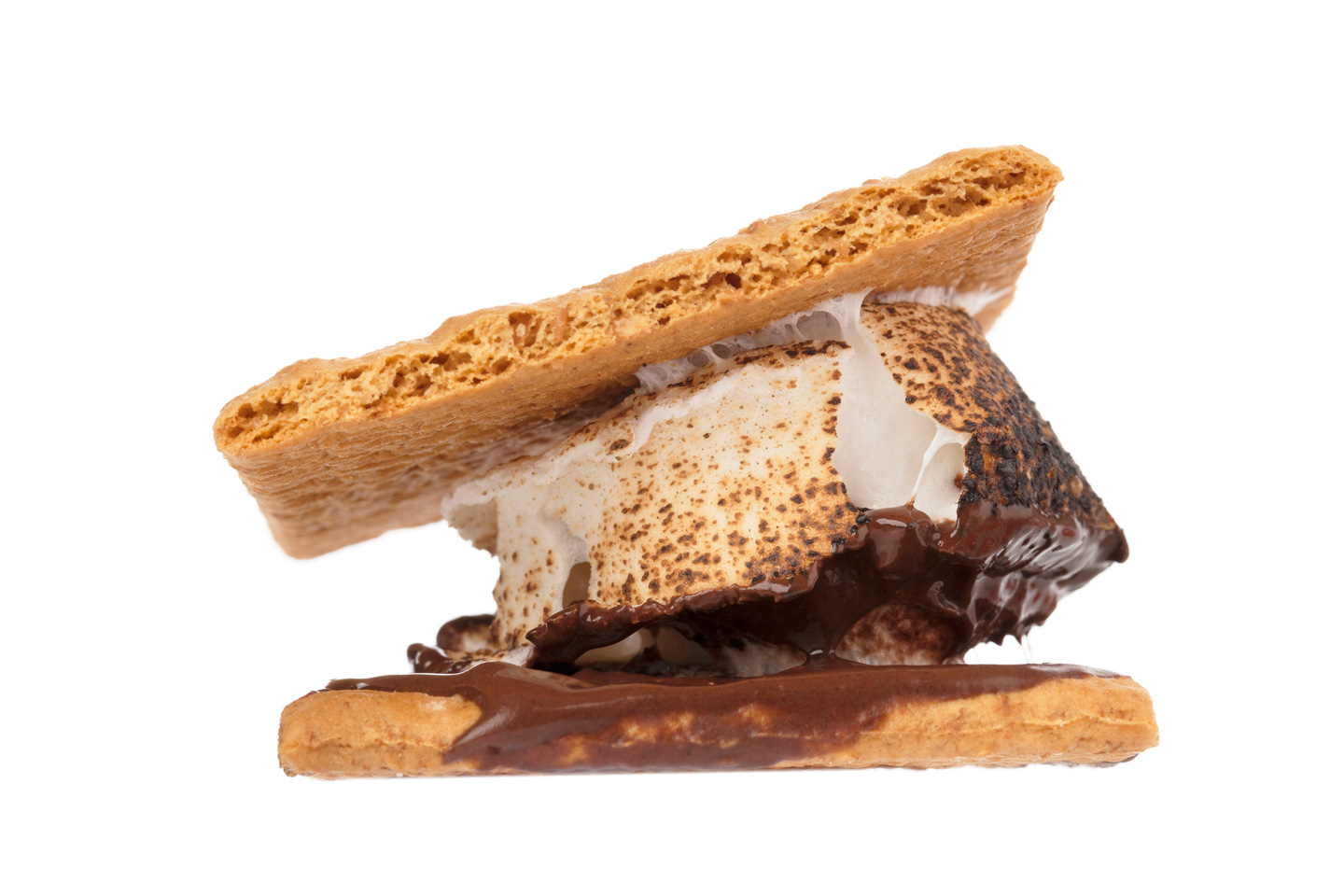 For many of us, summer means more camping and outdoor cooking. It’s also a perfect time for s’mores, those tasty graham cracker sandwiches with a melted marshmallow and chocolate filling. Prepare the gooey snacks for dessert while the grill remains hot. Or, once the sun goes down, make some as you’re gathered around the campfire.
S’mores experts likely know that milk chocolate is a preferred ingredient; that’s because its higher cocoa butter content enables it to melt faster than other types of chocolate. For even quicker melting, carefully place a flat piece of wood near the edge of the fire. Line it with graham crackers; top each with a chocolate square. Once the marshmallows are toasted (or burned, if you prefer yours that way), place them on the warmed grahams and softened chocolate.
Although there’s some debate, the original s’mores recipe is said to have originated in a 1927 Girl Scouts guidebook. It called for two graham cracker squares, two chocolate squares, and a melted marshmallow for each s’more.
Classics aside, some say a melted marshmallow or marshmallow filling that’s sandwiched between anything sweet is a s’more. If you like to experiment, try some variations:
*Instead of the second graham cracker, top s’mores with fresh seasonal berries.
*Add a tablespoon of peanut butter, with or without the chocolate, to your s’more. Or, use peanut butter cups for the chocolate.
*Fans of Nutella might like todollop their s’mores with this hazelnut spread.
*No graham crackers? No problem. Substitute with Oreo cookies. Carefully pry each Oreo apart, leaving the filling intact on one side. Continue as usual.
*Sandwich your s’more with chocolate chip cookies.
*Drizzle caramel ice cream topping — warm or cold — atop the marshmallows and graham crackers. Repeat with chocolate syrup. Top each with another graham cracker.
Hobbies
Would You Believe This Is Catfish Bait?
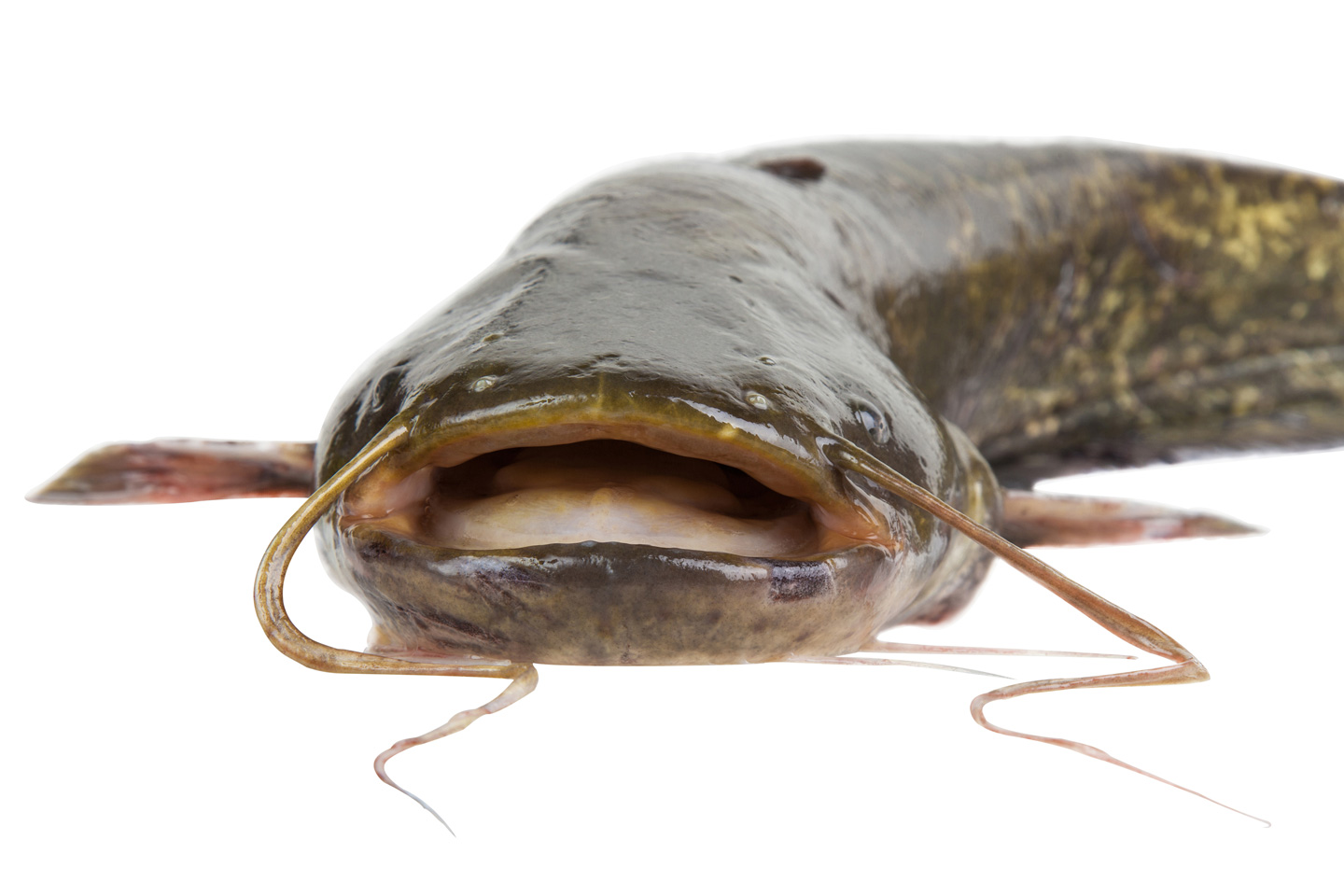 In 2001 Charles Ashley Jr. caught a 116-pound, 12-ounce blue catfish in the Mississippi River. The fish set the Arkansas rod-and-reel record and a world record for that species. And Mr. Ashley used Hormel SPAM as bait.
His feat has yet to be topped. So, in honor of National Catfish Day, which was celebrated on June 25, it’s time for a list of the unusual stuff that attracts these fish.
But first, to be precise, not all bait attracts all kinds of catfish. There are three main types of catfish in the United States: blue, channel, and flathead. Some like moving water more than others. And some prefer a particular flavor. But they all have the need for feed.
Guessed It!
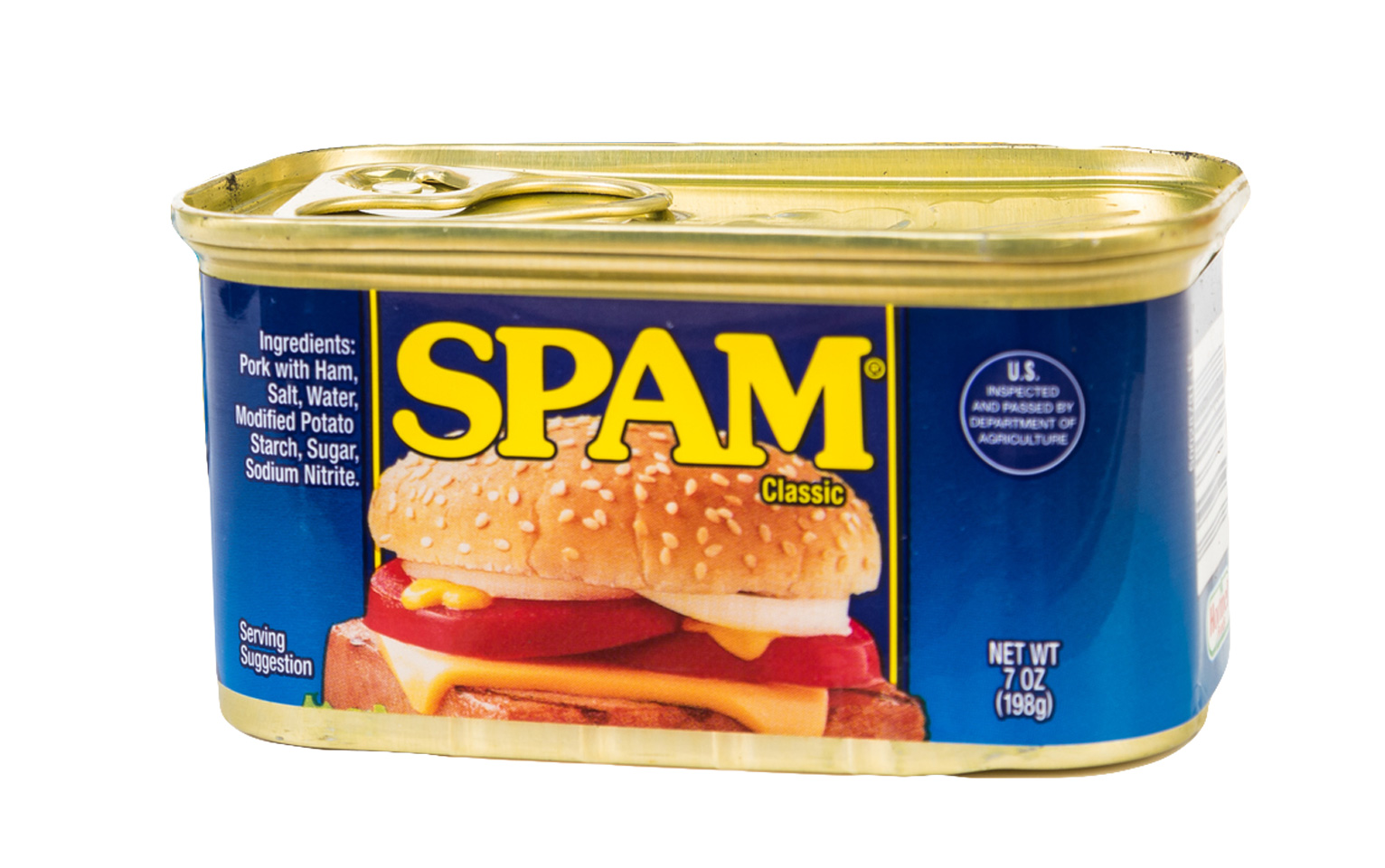 Some common types of bait are known to be effective. It’s not too surprising that catfish like night crawlers (worms); cut-up pieces of shad (fish); chicken livers; raw chicken skin; hot dogs; SPAM; raw bacon; spoiled shrimp; canned dog food; and fresh crawdads (crayfish).
Smelled It!
Catfish are interested in stinky things and have an abundance of scent receptors, so they can be hooked on items not found in the wild. This fact has caused anglers to concoct bait in their own kitchens. Some recipes are guarded family secrets, handed down from parents to children for generations. Do not ask! If they want to tell you, they will. But most recipes combine a smelly substance such as garlic with a pliable item that will help it stick to a hook — processed cheese, smashed cereal, and so on.
Non-chefs might want to try commercially made stink bait. Anglers attach it to a fake worm or a device with one or more holes, so the scent can emanate and not get watered down too quickly.
You used what?
Game & Fish magazine mentioned these additional contenders as catfish bait.
 *Ivory-brand soap, or other kinds of bar soap. The question is, what scent does the fish prefer? Is Irish Spring best used only in spring? Should someone ever conduct a scientific study on bar soap usage, please inform fellow anglers.
 *French fries. One would hope they’re stuck onto the hook tightly, packed on there like a worm would be. Otherwise, sayonara, fries.
 *Green-apple-flavored bubble gum. Apparently, channel catfish especially like this variety. We have no proof, though, because all of them blow bubbles.
So, whether your choice of catfish bait is soap or SPAM, one thing is for sure: You don’t need to stop at the bait shop on the way to the lake.
App File
Exploring Alaska
 An RV trip to Alaska requires plenty of planning of the driving route, campgrounds, sights to see, weather considerations, and more. These can help you prepare.
 The Alaska App: A wide variety of information is available, such as self-guided land tours, guided backcountry adventures, RV parks and campgrounds, trails, attractions, natural features, and much more. Users can select particular areas of the state to browse. More than 600 weather cams offer views throughout the state, and current weather and forecasts are available. GPS coordinates pinpoint hundreds of wildlife-viewing locations. Free; for iOS only. www.thealaskaapp.com.
 Travel Alaska: The companion to the state’s official tourism website, this app features many photos, videos, and trip ideas. The long list of things to do includes information about adventure activities; arts, culture, and history; hiking and biking; day cruises; shopping and dining; and wildlife viewing. Clicking on maps provides detailed information about services in a given area. Users can request a free travel planner. Free; for iOS only. www.travelalaska.com.