
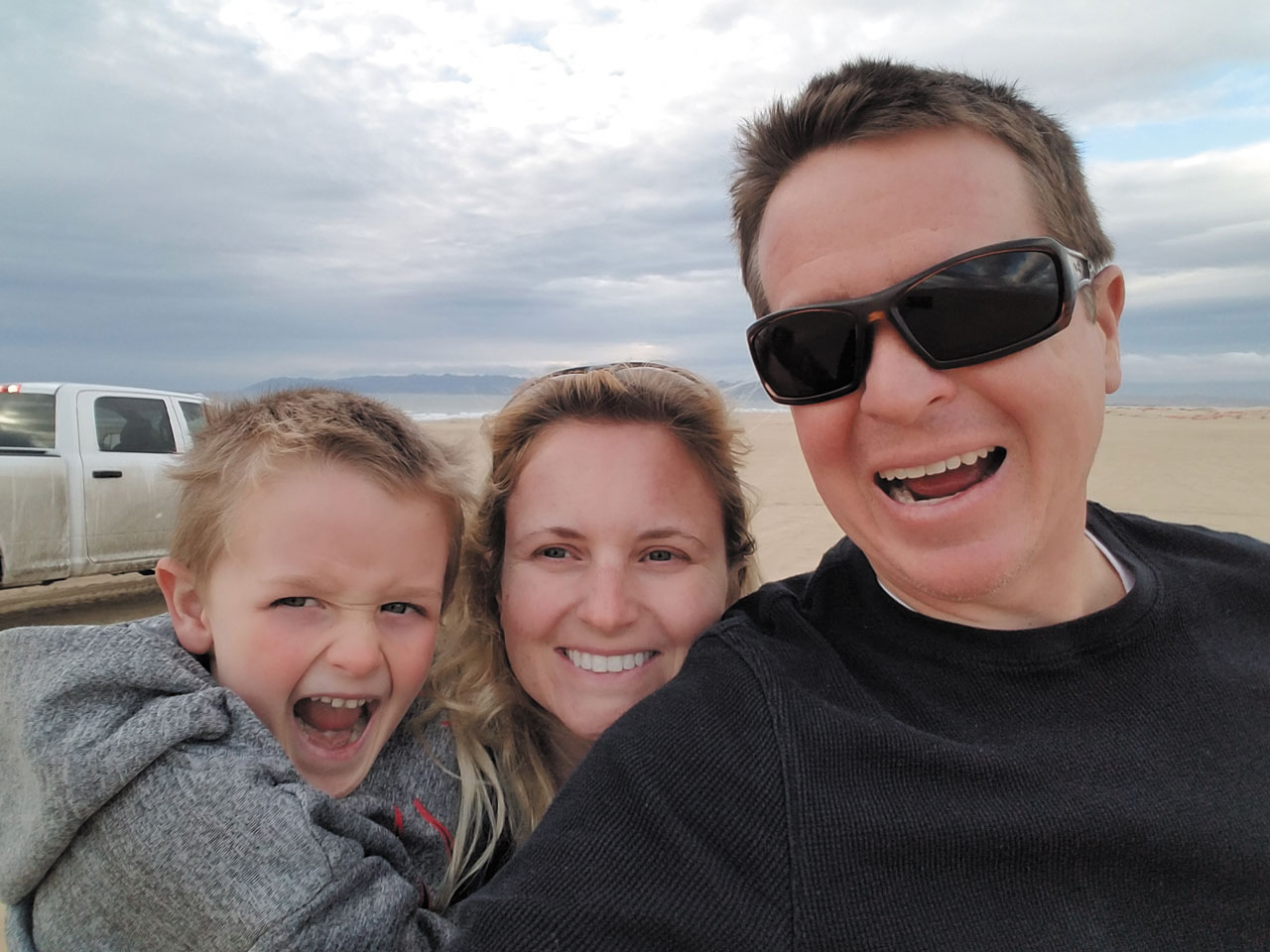
Several families discuss the ups and downs of full-time RV travel during the coronavirus outbreak.
By Jeff Crider
November 2020
While most segments of the U.S. economy are struggling because of the COVID-19 pandemic, the RV industry is booming.
The RV Industry Association (RVIA) reported 43,035 shipments of towable and motorized RVs to dealers in July 2020. That’s the strongest July in 40 years, a 53.5 percent increase over the 28,044 shipments reported in July 2019. And there’s no sign of lessening demand.
As RVing’s popularity soars, people continue to look at RVs beyond their use for weekend road trips or vacation getaways. They’re also purchasing them with the idea of living, working, and perhaps raising their kids in their unit on a full-time basis.
“The pandemic is forcing people to do a lot of soul-searching about every aspect of their lives,” said RVer Mark Koep, a videographer who has spent the past 11 years full-timing with his wife, Katarina, and their children, 8-year-old CJ and 1-year-old Melania.
With so many employees forced to work from home this year, people have realized the potential of RVing full-time so long as they have a laptop, a cell phone, and a decent Wi-Fi connection. More kids are tackling classwork online, as many schools are not open for in-person learning or are allowing families to choose remote instruction. Mr. Koep noted that plenty of online resources are available for those who are considering homeschooling their kids while they travel. (For information about “roadschooling,” see “All Roads Lead To Learning,” September 2020 issue, page 44.)
Across the United States, campgrounds and RV resorts are improving their Wi-Fi systems and workspaces, which better accommodate full-time RVers, many of whom are working remotely.
Scott Roberts, chief executive officer of Scottsdale, Arizona-based Roberts Resorts, said his company recently invested more than $90,000 in Wi-Fi improvements at Pueblo El Mirage RV and Golf Resort in El Mirage, Arizona, to accommodate telecommuting RVers and other guests.

Verde Ranch RV Resort in Camp Verde, Arizona, has proven popular with RVers who want to relax or telecommute.
Lisa Harold, chief operating officer of Contemporary Resorts & Residences, said young, telecommuting RVers are coming to Verde Ranch RV Resort in Camp Verde, Arizona.
“I think it’s a pretty significant trend,” she noted. “So many people are telecommuting now. Millennials could experience the snowbird lifestyle way earlier than their parents or grandparents did.” With this in mind, the resort’s amenities include office space and a reservable conference room to accommodate working guests. “This park was built with telecommuters in mind,” she said.
After more than a decade on the road, the Koeps can’t imagine living in a single house in one place again. They love traveling and experiencing the country with their HL Enterprise Elite fifth-wheel. They became full-timers in 2009 after the previous economic downturn and haven’t looked back. “We sold everything we had,” Mr. Koep said. “We burned the bridges.
“We made a conscious decision that this is the way we want to live.”
Mr. Koep said he and his family have been able to spend “long, meaningful time together” in places most people can only dream about.
They’ve savored sunsets over the sand dunes at White Sands National Park in New Mexico, and have spent quality hours in Montana watching the Northern Lights dance over Lake McDonald in Glacier National Park. They’ve camped along the entire Blue Ridge Parkway and watched the last nighttime launch of a space shuttle from Cape Canaveral in Florida. They’ve celebrated July 4th watching fireworks over Mount Rushmore, hiked in Maine’s Acadia National Park, and fed Atlantic tarpon in Key West, Florida.
“We have a personal connection with nearly every point in the continental U.S.,” Mr. Koep said. In fact, their children were born during their travels — son CJ in California and daughter Melania in Wyoming.
But while full-timing couples and families get to spend extended time visiting incredible scenic and historic sites, they need to get along well. After all, they’re living and working and, in many cases, educating kids in a very small space.
“You need to love your family and be able to communicate, and if you are working virtually, you need to have a workspace,” Mr. Koep said. “It takes a fundamental shift in how you engage with your family, your work, and your life.”
For instance, when he needs to participate in conference calls or do other work for his company, CampgroundViews.com — which produces 360-degree video tours of campgrounds, RV parks, and resorts — it’s agreed that Katarina takes the kids into a different room or outside.
Mr. Koep also acknowledged how the pandemic has created its own set of challenges, from closed restaurants, museums, and other attractions to difficulties obtaining basic staples, especially in the initial months. “Full-time RVing only works if society is functioning around you,” he said.
Earlier this year, while snowbirds and full-timers alike opted to “shelter in place,” others left campgrounds and RV parks and drove to the homes of family members or friends to ride out the uncertainties until restrictions were lifted. The Koeps stayed with family in California for nearly three months during the early phases of the pandemic before resuming their travels.
Many Canadians returned to their country and because of border closures have not been able to cross back into the United States. At this writing, the border was set to remain closed at least through October 21, 2020, although it could remain closed longer.
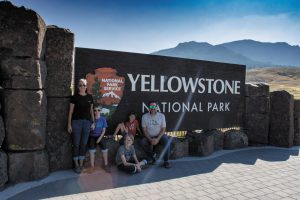
The Eppersons have encountered smaller crowds while traveling during the pandemic, such as in Yellowstone National Park.
Jason and Abigail Epperson, F488212, also adjusted their travel plans because of the pandemic, but they continue to enjoy their lives on the road. They and their three boys have been full-timing for four years.
“We had a few months filled with a lot of boredom, but as things have opened back up and people are learning to recreate responsibly, we’re really enjoying the thinner crowds at national parks as fall begins,” Mr. Epperson said.
I caught up with the family in early September as they were traveling through Yellowstone National Park. “Yellowstone is a dream right now. And while we’ve heard a lot of anecdotal stories about how hard it has been to get into a campground this summer, we’ve had few issues in the West,” Mr. Epperson said.
“Just like everyone else, we’re adapting to the different recommendations and rules from whatever local government we call home at the moment,” he added. “We try to visit areas that are being responsible about the pandemic, and avoid those that don’t really want travelers.” Earlier in the year, they opted for longer, monthly stays; more recently, they’ve picked up their pace, he said.
They also have focused on visiting rural areas with fewer people. “Wherever we go, we’re keeping to ourselves and exploring the outdoors,” he said. They research online, including Google’s downloadable COVID tracking tool, to avoid hard-hit areas. They also monitor local news reports in areas they’d like to visit to make sure there aren’t too many problems there.
Mr. Epperson noted that the biggest difficulty has been canceling visits with family and friends in the Midwest. “I even missed my brother’s wedding, and the prospects of not having the boys home with their grandparents for the holidays for the first time in many years is heartbreaking,” he said.
He acknowledged concerns about the coming winter, especially as RVers pack into popular sites that could become coronavirus hotspots. “But we’re thinking there might be fewer snowbirds this winter. Anything can happen, and that’s part of what we love about this life. We’re pretty good about rolling with the punches,” he said. He believes government officials learned a lot from the first shutdowns and predicts that if shutdowns would reoccur, campgrounds will be less affected.
Matt and Sarah Andrews have been full-timing for two years, and they have no plans to stop. They note that their movable house is the safest way to see the country right now, as it offers them flexibility to pick less-populated areas. “Having an RV is also valuable in that we can still travel without having to stay in hotels, fly on planes, or use public bathrooms,” Mr. Andrews said. Another bonus is spending less on diesel fuel and not paying nightly or weekly rates for campsites during the months they have not traveled, he added.
Of course, the couple has experienced some inconveniences associated with the pandemic. “I know Sarah is tired of cooking practically every meal, and we miss dining inside restaurants and local diners. We also wish we could have traveled more as we originally planned,” Mr. Andrews said. But he also offered some positives: “We have picked up pickleball as a new hobby, used our stand-up paddleboards a lot more, and learned how to exercise sufficiently with YouTube videos.”
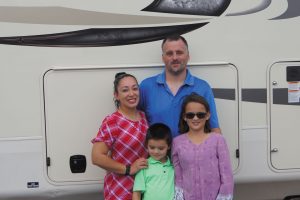
Doug and Cindy Creek and their two children spent the winter of 2019-2020 at the Gila Bend KOA in Gila Bend, Arizona.
Some of their experiences this year took place in Florida. At Silver Springs State Park, near Ocala, they were able to do stand-up paddleboarding among the manatees. They also discovered a beachfront RV resort, Camp Gulf in Miramar Beach, which they said is now one of their favorite campgrounds.
Other full-timers include Doug and Cindy Creek, whose summer travels included visits to Mesa Verde National Park and the 230-plus-mile San Juan Skyway Scenic Byway in southwest Colorado, which travels through Durango, Silverton, Ouray, and Telluride.
After visiting family in West Texas, the Creeks were planning to tour the USS Lexington, a World War II aircraft carrier, in Corpus Christi, Texas, before heading to Sonoran Desert RV Park in Gila Bend, Arizona, to spend the winter.
Know What You’re Getting Into
Mark Koep suggests that anyone considering full-time RVing should do their homework and examine every aspect of the lifestyle to determine whether it’s right for them. He recommends a book by Marc and Julie Bennett, Living the RV Life: Your Ultimate Guide To Life On The Road, which he has used himself.
Jason Epperson advises anyone who is considering full-timing right now to take it slow. “Instead of a whirlwind trip to 14 states, get to know one really well, and be prepared to be flexible.” He added that even this far into the pandemic, national parks and other sites are adding restrictions and making operational changes. “We’re really playing it by ear right now.”
Mr. Creek suggested, “Temper your expectations of what you are going to see while (COVID-19) is still going around.”
Matt Andrews also urges potential full-timers to do their homework: “Although I am not qualified to give financial advice, I would tell friends or family to really quantify how much money they will lose in the first year of full-time RVing before doing it. One must really understand the up-front capital outlay, taxes, depreciation, maintenance, insurance, etc.”
For those who decide to try the full-time RV life, even now, Mark Koep said they won’t be disappointed, particularly if they do their homework and make sure they are fully prepared to embrace a life-changing, life-enhancing experience.
“I believe camping in the outdoors is the last best way for people to reconnect with nature and with each other,” he said. “If we get enough people to do that, we will see a better world. That’s what the RV lifestyle is.”
RV Resources
Thanks to the coronavirus outbreak, RV trips require extra planning — more RVs are on the road, and regulations and restrictions continue to change, varying from state to state and even county to county.
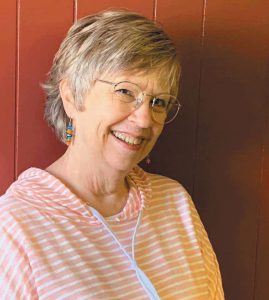
Campground association professional Mary Arlington suggests RVers do their homework before traveling, especially now.
“When planning a trip, the best resource is the campground owner,” said Mary Arlington, executive director of the Colorado Campground and Lodging Owners Association, which hosts CampColorado.com. “Not only can a property owner make policies that are more strict than the local or state authorities, but they also know which authorities they need to satisfy.”
When COVID-19 hit the United States in early 2020, many Colorado campgrounds reduced services for the winter or closed altogether. “The governor authorized the counties to determine their strategies. Two parks that appear to be in close proximity might be governed by different authorities,” Ms. Arlington said. Many other states have had similar situations.
Ms. Arlington said it also behooves full-time RVers to be mindful of the hospitals and other medical facilities that are available in the areas they plan to visit. “Many counties don’t have the medical infrastructure in place to handle seriously ill people, and they have limited resources in all areas of disaster management.”
The following websites offer information on COVID-19 travel restrictions, RV resources, and more:
Togo RV
COVID-19 travel information:
http://bit.ly/togorvcovidtravel
Centers for Disease Control and Prevention
The CDC’s COVID-19 tracker provides case information state-by-state, with maps, charts, and data. The “COVID-19 Home” tab includes info about symptoms and care, travel tips, and more:
http://bit.ly/covidcdctracker
Canadian travelers’ health page:
http://bit.ly/cdctravelcanada
Public Health Agency of Canada
The COVID-19 page addresses various aspects for Canadian citizens and travelers:
http://bit.ly/canadapublichealthcovid
Go RVing
The consumer website for the RV Industry Association offers information on renting and purchasing an RV, camping and RV
shows, manufacturers and dealers, where to camp, and more:
www.gorving.com