
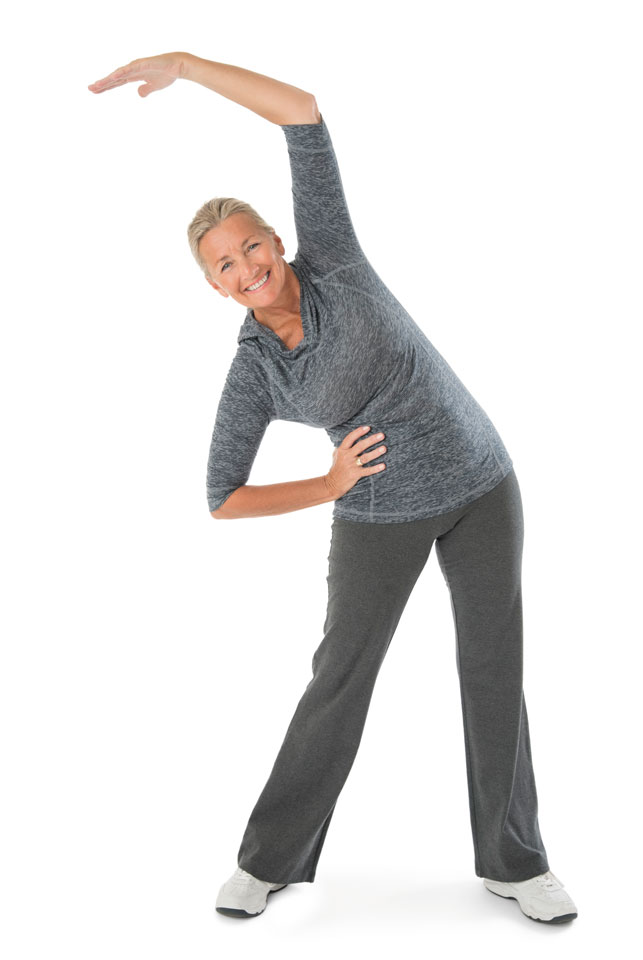
An occupational therapist offers suggestions on how to decrease the risk of falls in the ever-changing RV environment.
By Lauri Stumph
December 2020
Easily dismissed as an accident or a normal part of aging, falls are anything but. Falls are a significant health concern and a leading cause of mortality and disability in adults. But there are ways to lower the risk of falling in and around your RV, and beyond.
According to the Centers for Disease Control and Prevention (CDC), more than one in four older adults in the United States sustains a fall each year. Although not all falls lead to injury, one in five do, and those injuries lead to increased mortality and reduced quality of life. The research shows that in 2018 more than 32,000 adults in the United States over age 65 died as a result of a fall. Compare that to 36,560 traffic fatalities in the same year, and it’s apparent that falls are a significant concern.
The research indicates that half of falls occur because of environmental hazards, and half are caused by physiological factors. As RVers, our travels take us to ever-changing environments, but those new environments also expose us to unique fall risks. In addition, an RV’s reduced living space can increase the risk for falls.
Here are a few tips on how RVers can address the environmental risks.
Arrive In Daylight
We’ve all encountered the flickering, dead, or nonexistent lighting around campgrounds. Don’t rely on them to illuminate a path for you after the sun sets. When arriving during daylight hours, familiarize yourself with the walk to the rest rooms or to the area where you’ll be taking your fur babies out for their nightly duties. If you enjoy an evening campfire, ensure that a clear path exists to and from your RV to the fire ring.
Check Batteries
Before nightfall, double-check that the batteries are working in your flashlights. Even if you know the moon will shine brightly that night, use those flashlights. Tree branches can fall, rain or spills can make surfaces slick, and moonlight can disguise and shadow tripping hazards.
Stake It Or Light It
 Outdoor rugs make our temporary front yard homey, but they can create tripping risks. Stake the corners of your outdoor rugs; ensure those stakes are flush with the ground, and keep the edges of the rug tight. My favorite outdoor rug does not include holes for stakes, so I weight it down with rocks and light up those rocks with solar lights. Staking or weights also ensure that when it gets windy, the rug won’t fold up and create a tripping hazard, day or night.
Reduce Clutter
RVers fit a lot of things into a small space. Ensuring that each item has a home of its own will reduce tripping hazards within the RV. Take time each day to pick up items off the floor, put away pets’ toys when they are finished with playtime, and return your recliners to their full upright positions when not in use to allow for the largest pathways possible in your tiny home.
Indoor Rugs
RVer or not, my biggest preaching point as an occupational therapist and fall prevention educator concerns throw rugs. I’d prefer to say throw away your throw rugs, but that does not always go over so well. If you must have throw rugs inside your RV, purchase those with nonskid backer or add nonskid backer to the underside. In addition, use double-sided carpet tape to keep the edges from curling, regardless of whether you have the rugs on top of carpet or on a tile or vinyl floor.
Safe Stairs
Ever-changing weather conditions, along with frequent use, may cause the nonslip grip or turf covering on your RV’s entry steps to rip or fray over time. Inspect step coverings as a regular part of your maintenance checklist.
Another way to increase the safety of your entry step area is to add a railing or handle to the outside of your RV if it isn’t already so equipped; or, consider adding a second one. The RV step height does not change, of course, but parking on uneven landscapes or needing to level your unit by adding a few blocks or extending the jacks will change the height of that last step down — which can catch you off guard. Falls from any height increase your chance of injury. Also, make sure your steps are extended before you prepare to exit the RV.
Nightlights
Not just for kids anymore, nightlights are a great safety addition to your RV. Some RV manufacturers have started to add motion-activated lighting under cabinets; this allows for a peaceful and dark sleep environment but safely lights the way if you need to make a midnight fridge visit or bathroom run. At the very least, motion-activated nightlights near your bed and in the bathroom will help reduce your fall risk. Battery-powered and plug-in nightlights are readily available online and in big-box stores.
Bars And Mats
Bathrooms are a leading location of falls. Add grab bars in your bath area to catch yourself or to help you keep your balance if you stumble. After installing a bar, test that it is secured properly before the need to use it arises.
Grab bars that fasten to a wall via suction are not my favorite solution; however, their quality has improved over the past few years, making them a potentially viable choice, especially considering the lack of solid wall support in many RVs. Don’t skimp on quality with this upgrade, and please don’t rely on towel bars for support!
Another upgrade for the bathroom is a shower mat. Whether you use the shower in your RV or in the bathhouse, invest in a bath mat with suction cups on the underside to keep your feet firmly planted on the ground.
On the other side of the coin are the physiological contributors to falls. These are generally very individualized and often are dependent on fitness level, medical conditions, and medications. But one thing we all can do to reduce our risk of falls is exercise!
Get Fit
Whether it’s mountain biking, walking, hiking, or yoga, exercise improves balance, core strength, bone density, and muscle strength, which contribute to reducing fall risk. If heart-pumping, sweat-inducing exercise is not your thing, tai chi and yoga are great activities to improve your core strength and balance. While traveling, I’ve found that yoga studios are incredibly welcoming; they usually have drop-in pricing, which is handy for RVers. If you are staying in an area for an extended time, look for community centers and community education programs, which frequently offer six-week classes in tai chi. They may offer other classes as well, such as dancing, Zumba (Latin and international music combined with dance moves), and aerobics.
Walking, hiking, and biking usually are free wherever you roam. If you want to make points with the kids or grandkids while staying fit, consider fun choices for exercise available on gaming systems. Whatever you enjoy, just get moving!
Vision Check
Vision changes are a normal part of aging, so please don’t put off your annual vision checks. Vision plays a large part in keeping your balance. Even minimal vision changes can greatly increase the risk of falls, especially when one is wearing outdated or incorrect prescriptions.
Many of us flock to warm, sunny locations in the winter. If you have glasses that darken in the sun, or you wear prescription sunglasses, keep a regular pair of glasses near the door of your RV. That way, you can switch to them when you enter the RV and avoid the risk of tripping as you move from brightness into a darker environment.
Medication Review
Prescription or nonprescription, medications are a contributing factor to many falls. The biggest culprits are narcotic pain medications and a change in or the addition of a blood pressure medication. When taking a new medication of any type, be vigilant and allow extra time to ensure you are not dizzy prior to standing up or reaching down. If you experience continued dizziness or find yourself needing to hold on to furniture or to another person, consult with your physician.
Finally, if you do fall, please get checked out, whether you believe you are injured or not. There is a reason that you fell, and a talk with your doctor can help discover the cause. If you fall and hit your head, call 911 or have someone drive you to the hospital immediately. Stay safe out there!