
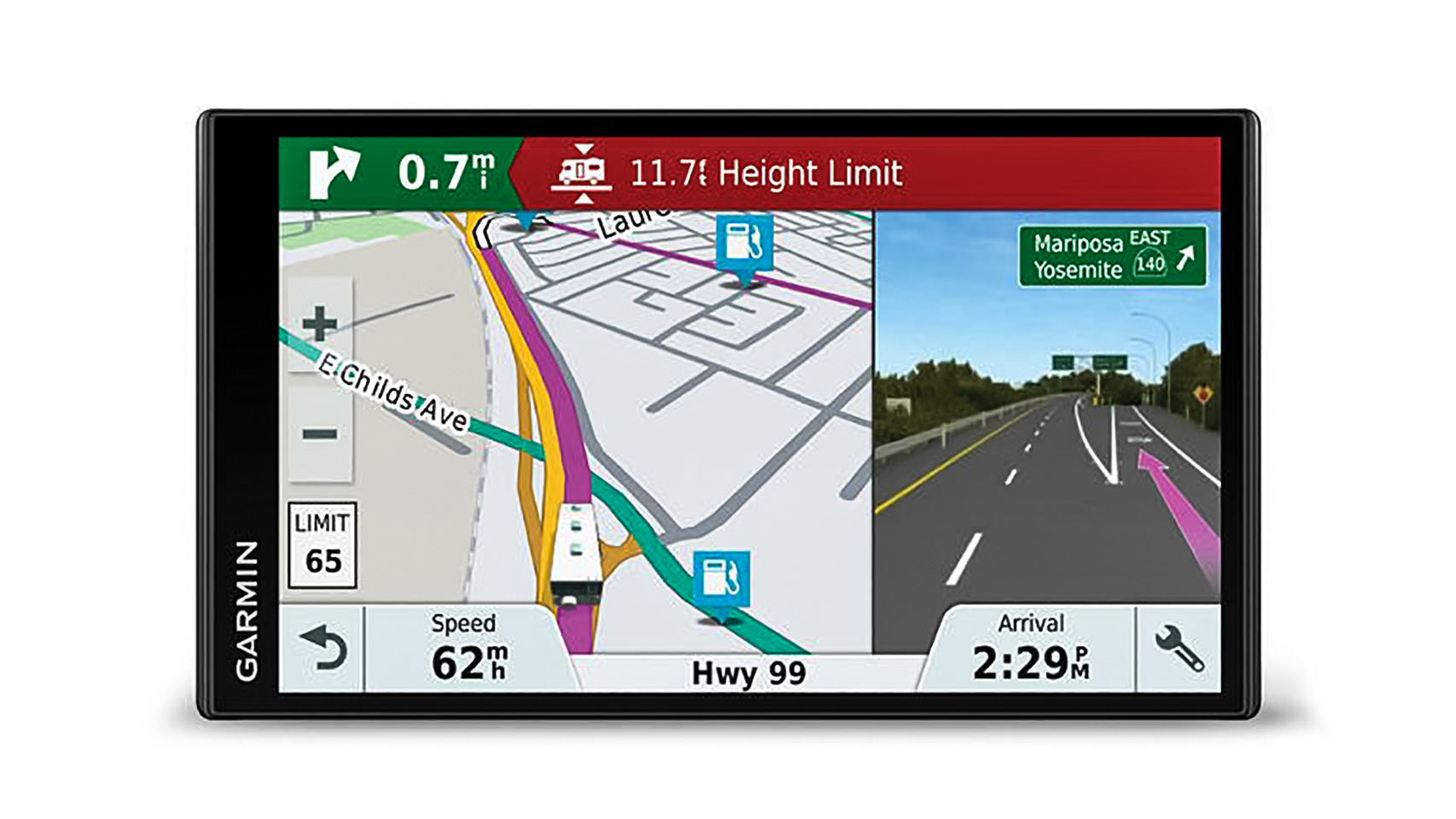
GPS Recommendation?
My husband and I have been RVing off and on since 2008. One thing I always have a big issue with is GPS equipment. We have one in our RV, but it is outdated. With all the new roads, it’s not the best. I have purchased three different ones, but they all do something that drives us crazy. One issue is that although the makers of these GPS devices claim they give you choices of directions, most give you one way to go and that’s it.
The other thing that really bothers us is that we have found that they give you one set of directions when you are going to a destination — and it’s usually through small towns, which we don’t like, as we prefer to stay on highways — but then when you enter information for directions to go back home, they give us directions to travel via highways. We have tried using different settings, such as shortest or fastest routes.
These things aren’t cheap, and we have had times when they sent us down dirt roads, and one even took us to a dead end. We have a motorhome, and we are towing, so this is a BIG problem.
Can you suggest a good GPS system so we can travel better? The last one we bought about two years ago was a Garmin 770. It’s horrible. The volume is low, and it won’t hold a charge.
― Donna Vestal, F490667
|Killeen, Texas
Editor’s Note: It’s likely that no perfect solution exists, but we would encourage readers to share their experiences with various GPS systems so we can publish the information in a future issue. One key is to find a GPS that is RV friendly. The June Tech Talk e-newsletter (https://t.e2ma.net/message/91pb8y/5m7f2cb) includes a link to a video with a head-to-head review of a Garmin and a Rand McNally GPS. Check it out for some insight. Also, some RV owners rely on GPS units designed for truckers, since they are less likely to provide directions that involve routes not suitable for large vehicles. If someone has a trucker GPS they would recommend, let us know that as well.
Not Bowled Over By Bowlus
The article describing the Bowlus travel trailer (“Bowlus Terra Firma Limited Edition,” July 2021, page 62) was interesting and filled with gushing positive comments. Sadly, Robbin Gould, editor, seemed to avoid commenting on the various holding tank capacities. As an RVer of 20-plus years, one of my first questions about any RV is: What are the holding tank capacities? It seems unnecessary to explain why, but essentially, the capacities of these tanks enable us to enjoy our travels.
Fresh water, 19 gallons? “Van lifers” often carry four 5-gallon water jugs for 20 gallons, more fresh water than carried in this high-end travel trailer. And, even if the owner decided to carry additional fresh water in jugs in the towing vehicle, the gray tank is only 21 gallons. A cassette toilet tank of 4.5 gallons? You might as well walk to the nearest campground washroom rather than using any toilet with a holding tank of only 4.5 gallons. Most RVers wouldn’t want to chance a full tank at 3:00 a.m. A 3.1-cubic-foot refrigerator? That is typically called a “compact” refrigerator — the ones used in offices and hotel rooms.
Those numbers make me question the intended market for such a rig.
― Ernie Maier, F274067
White Lake, Michigan
Editor’s Note: The Bowlus definitely isn’t for every RVer. And that’s the great thing about the RV industry. Vehicles exist to meet just about every imaginable need and desire.
Missing Crisscross
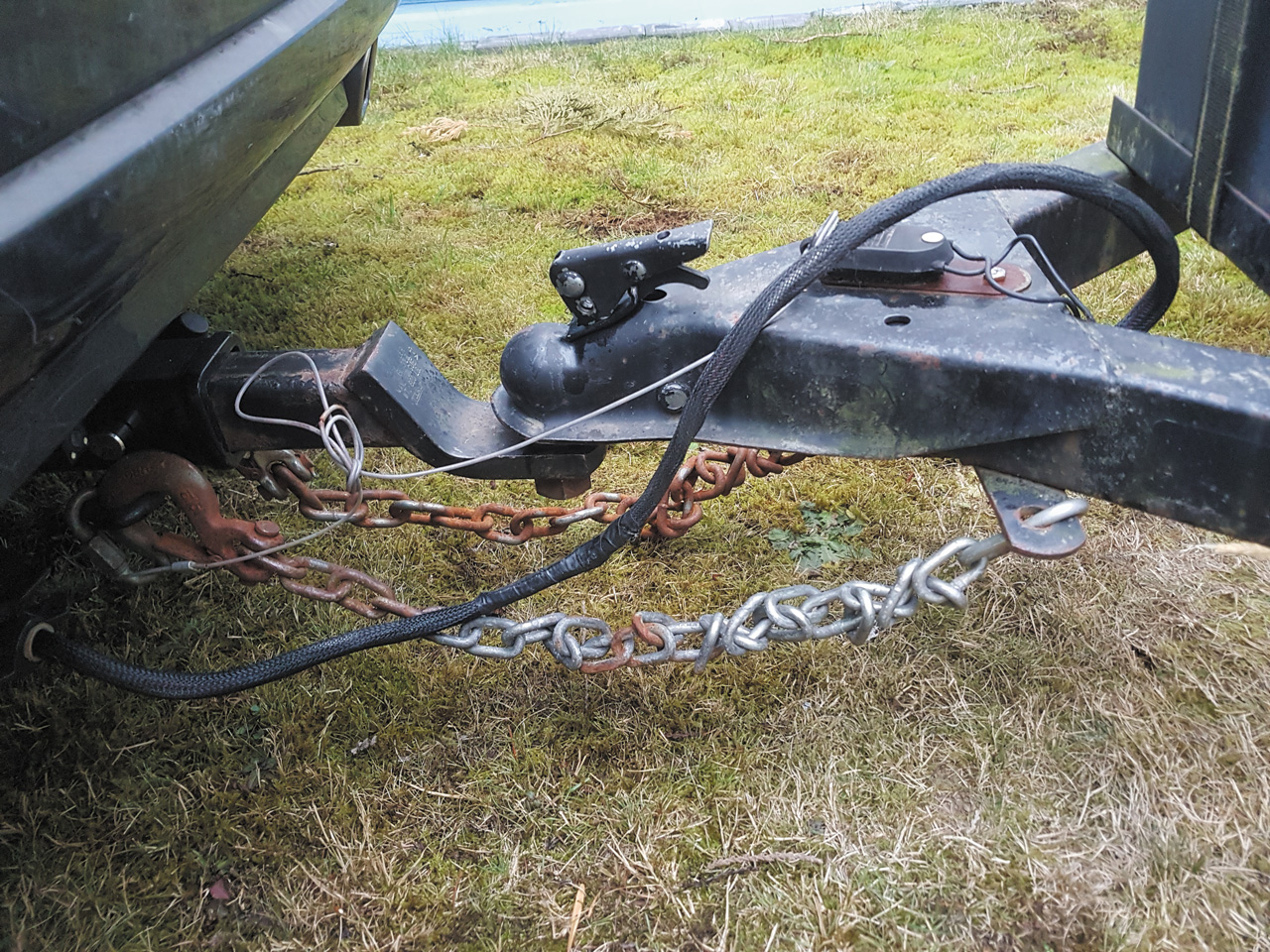
Safety chains/cables should be attached between a towing and towed vehicle, and some states have specific requirements.
The article on page 32 of the June 2021 issue (“Weighing On The Go”) shows a trailer being towed. I know the article was about weight, but pictures say a lot. Safety chains or cables should always be crossed, rather than as shown in the photo on that page. This allows for more control of the towed vehicle should it become unhitched.
― Elmer Tinti, F103685
Hartland, Wisconsin