
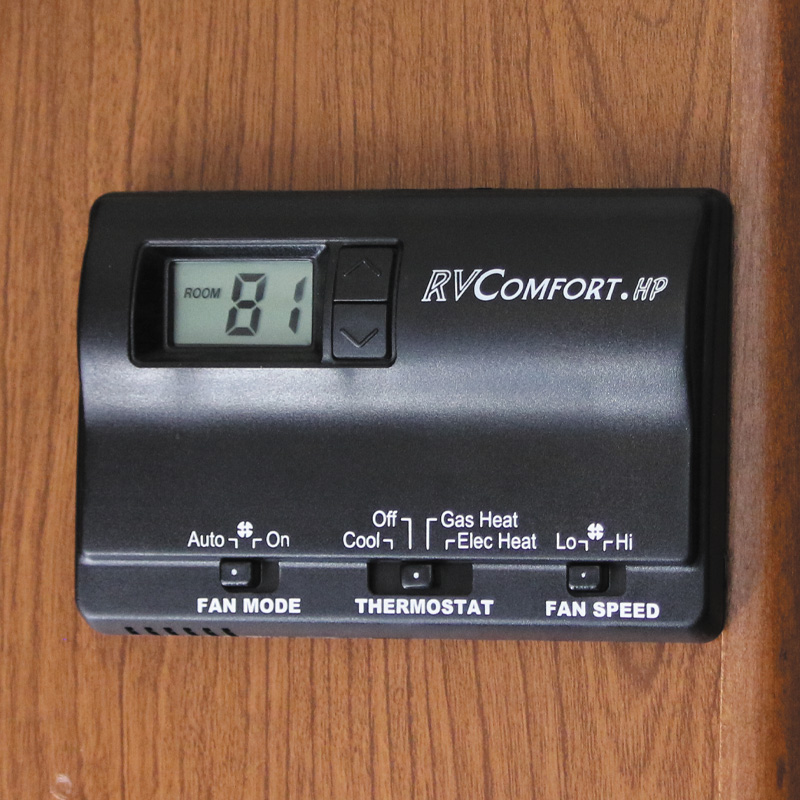
A little preventative maintenance can help to keep an RV furnace cranking out warmth when the temperatures drop.
By Steve Froese, F276276
September 2021
It’s September. The leaves are about to start falling, and so are the temperatures. That means it won’t be long in most parts of the United States and Canada before the windows get shut, the blankets get unfurled, and the heat gets turned on. Before turning up the thermostat, though, it’s always wise to do a little preventative furnace maintenance.
An RV furnace is a fairly maintenance-free appliance, but taking a few steps can go a long way toward minimizing failure, keeping the furnace running efficiently, and saving some hard-earned money.
Most RV furnaces are manufactured either by Suburban or Dometic. (Older RV furnaces may appear under the Atwood brand, which was purchased by Dometic in 2014.) Also, some on-demand systems — most notably Aqua-Hot —perform central heating functions in addition to providing instant hot water. However, these devices are outside the scope of this article.
The main components of most RV furnaces are a combustion chamber, control system, wall thermostat, blower, safety devices, exhaust port, and housing. Some furnaces have exterior access panels; some have only an exhaust/intake port on the outside of the RV. In either case, the furnace is accessible from inside the RV behind a louvered panel. In the case of nonducted furnaces in small RVs, this panel is also the metal furnace cover. For these units, the only maintenance is to remove the panel and clean the furnace. For ducted models, the interior panel is at floor level and secured by screws or a quick-release lever. Directly behind the panel you’ll likely find a vertical baffle that is screwed to the floor.
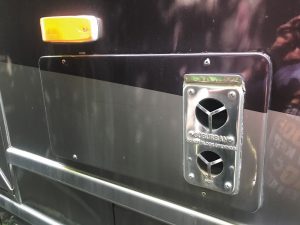
Some RVs have exterior panels to help with maintenance; some just have intake/exhaust ports.
Take a few minutes to address some basic maintenance items while the interior access panel and baffle are removed. First, thoroughly clean the furnace ancillary space. Also, check for rodent droppings, nests, and other telltale signs of infestation. If any signs are found, take further action to eliminate the pests from the RV.
This area includes one or more sections of flexible ducting, which carries the hot air from the furnace to registers throughout the RV. For RVs with ducted in-floor heat registers, the furnace itself is mounted on top of an opening to the rigid floor ducting. The furnace housing has an opening on the bottom that matches the floor opening, so hot air from the furnace flows into the floor ducting as well as each of the round flexible ducts that lead to wall registers.
Inspect the flexible ducting for breaks, tears, crushing, or kinks. Any damage to the ducting can affect the airflow to the heat registers. RV manufacturers sometimes fail to cut the furnace ducting to the appropriate length, so the area may have excessive ducting. This can adversely affect airflow, especially if the ducting runs under other objects, such as propane lines, water lines, or cabinet joists. Having excess ducting also reduces airflow simply from the wall friction of the ductwork.
If any of the ducts are improperly routed, simply disconnect the duct from the furnace housing by rotating the duct flange approximately one-quarter turn counterclockwise and pulling the flange away from the housing. Once the duct is disconnected from the furnace, reroute it and reconnect it to the furnace housing. In extreme cases, the duct may need to be cut to make it shorter. Remove the hose clamp on the flange and cut the duct using a pair of side cutters or other sturdy cutters to snip the wire.
Take note of the short and large tabs on the duct flange and how they match the same features on the furnace housing. Insert the duct flange into the furnace housing and rotate the flange clockwise.
Once the furnace area is cleaned, the ducts inspected, and any routing adjusted, reinstall the vertical baffle board and access panel louver.
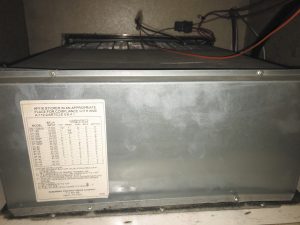
Every furnace is accessible from inside the RV, and basic maintenance can keep it running well.
There should be a decal in the furnace area warning against storing anything in the furnace ancillary space. Please take this notification seriously, as return airflow to the furnace can be adversely affected, causing the furnace to overheat and shut down. The limit switches in the furnace will safely shut it down if it overheats, but it causes short cycling, preventing the furnace from completing the heating cycle.
If the furnace has an exterior access panel, the panel can be removed, and the exposed parts of the furnace can be cleaned if the owner is comfortable with such a task. This may require removing the intake/exhaust vent assembly first. It’s best to use compressed air to clean the inside of the furnace. Air also can be carefully blown into one tube of the intake/exhaust leading to the combustion chamber. This causes any debris in the chamber to be blown out of the other tube. Be careful to keep faces and body parts away from the tube to avoid being hit by debris.
While performing these furnace maintenance tasks, make note of any abnormalities or damage and report them to the RV service center at your next appointment. These simple furnace maintenance tasks help keep the RV furnace running reliably and keep costs down.
Professional Inspection
It is important to have your propane system professionally inspected each year. An RV service center has technicians who can inspect all propane appliances and the overall propane system for proper operating pressure and leaks, and to make sure all appliances are clean and working as they should. The importance of this yearly maintenance cannot be overstated, as propane leaks and faulty appliances make for a dangerous RV.