
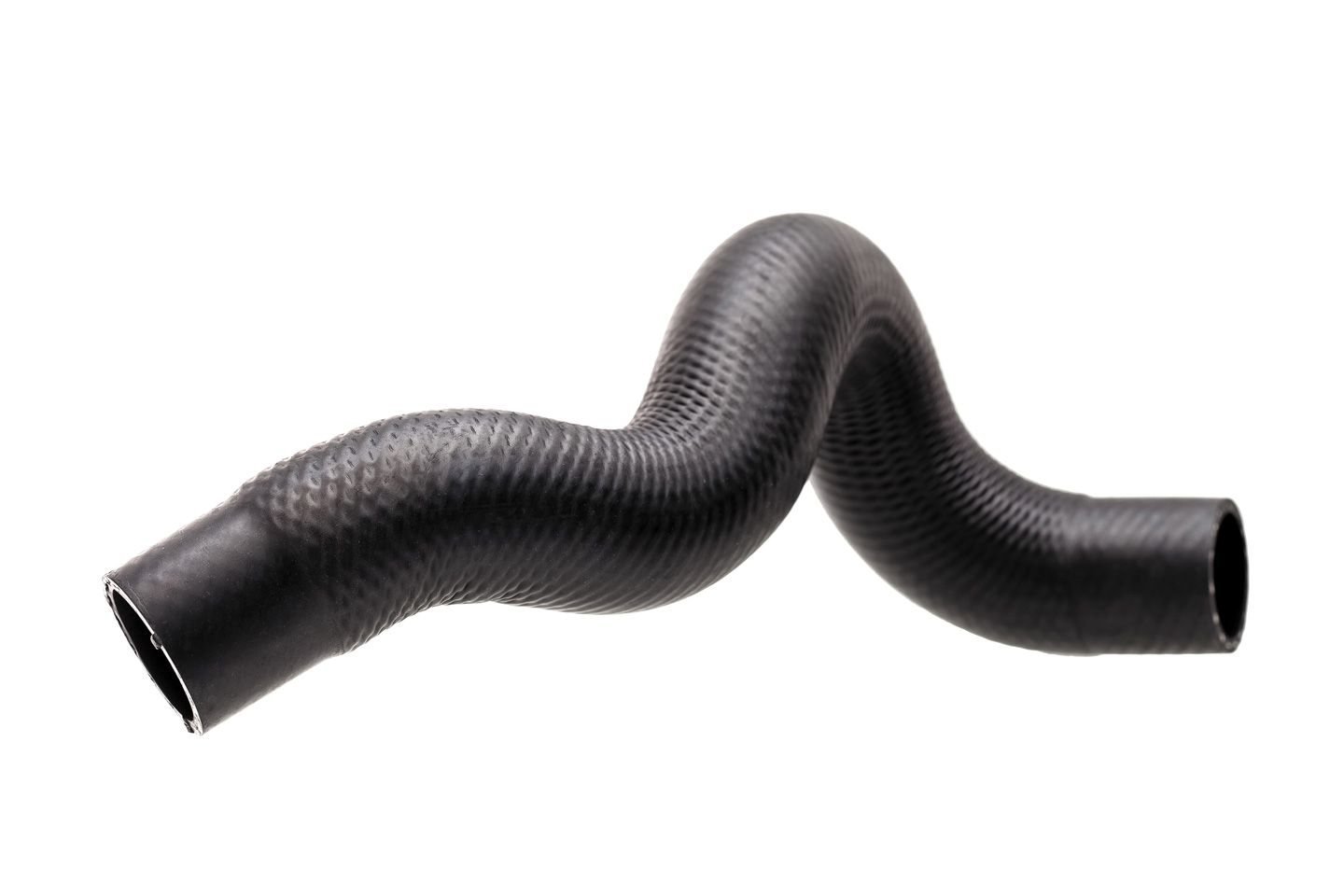
Hoses, belts, and other parts of the cooling system are too often overlooked, and their neglect can create an engine disaster.
By Steve Froese, F276276
November 2021
We received an email from a member with some very good advice:
“Years ago, we used to say that if the coolant hoses became hard, then the hose should be replaced. With newer rubber compounds this old rule of thumb is no longer valid.
“I presently own and personally maintain a 1998 40-foot Monaco Executive with a 450-horsepower Cummins M11 engine. When I purchased this coach in 2004, the top coolant system hose going from the engine to the radiator was bulged. But, it was still soft and pliable. I immediately replaced all the primary coolant system hoses. Three years ago, I again replaced the coolant system hoses and all of the heater hose lines.
“But here is a true experience of a good friend on a motorhome trip. Two years ago, we went from the Seattle area to attend an event in eastern Washington. Upon our return, we were going down a mountain pass and my friend, in a 40-foot Monaco with a 550-horsepower Cummins, was behind me. In looking back, I noticed a great deal of steam and moisture coming from the rear of my friend’s coach. Fortunately, because of the downhill grade, we did not need to apply any throttle.
“Shortly after seeing the steam and moisture coming from the coach, we came upon a wide parking area on the side of the road. I pulled over and had my friend pull over. I had him shut off the engine, and we then opened the engine compartment and found the top radiator hose to be blown. This hose was 2.25 inches in diameter and had been bulging for some time, but it was pliable. A total of six gallons ˛ yes, six gallons ˛ of coolant had been lost!
“As absolute luck would have it, the engine appeared to have experienced no damage. If the throttle had been applied, the heads would have cracked, and the pistons would have seized in the cylinders and possibly a rod might have come out the side of the block. Yes, all of my experience with engines working for a Caterpillar dealer showed that evacuating the coolant from a diesel engine block under horsepower load always leads to a catastrophic failure.”
The importance of maintaining coolant hoses is not limited to diesel engines, as it also applies to gasoline engines. The topic of coolant hoses is a very important one, and I’m very glad this reader raised the issue in such detail.
In a recent “Tech Talk” article, I discussed the importance of maintaining motorhome coolant and heater hoses. As indicated in that article, hoses are an often-overlooked maintenance item, and a hose failure can result in significant engine damage.
It is outside the scope of this article to instruct the reader how to replace coolant and heater hoses. If you are experienced with mechanical work, you may choose to attempt it, but only do so following the manufacturer’s listed procedures. If you have a diesel motorhome, be aware that a specific procedure must be followed after changing hoses, as all air must be purged from the system to prevent engine damage.
Always allow the engine to completely cool prior to performing any service or maintenance on or around the engine and related components such as hoses and exhaust assemblies. Never work on or around an engine that is running and always exercise caution. Wear appropriate personal protective equipment, such as safety glasses and gloves. Be aware of hazards that can cause injury, such as sheet metal, pinch points, etc.
You may choose to inspect your hoses for cracks, bulges, rips, and other damage, but note that some areas may be difficult or impossible to visually inspect without proper tools and equipment. If you find damaged or worn hoses, I recommend reaching out to your service provider for inspection and replacement.
Also note that while good mechanics will mention areas of concern, they will only do so if they notice and check them in the first place. Depending on what work you are having done, the mechanic may not be in the same area of the vehicle.
A motorhome is a large vehicle, so if a mechanic is lubricating the front end on a diesel pusher, he or she likely won’t notice a top coolant hose failing at the rear, unless a coolant system inspection is part of the work being done. The onus is on the owner to make sure all maintenance areas of the RV are being addressed at the appropriate service intervals.
The second part of this equation is the ability of the mechanic to perform the job properly. As I have mentioned in previous articles, find a mechanic in your area that you trust (by way of personal experience, positive reviews, word of mouth, recommendations, etc.). If you own a diesel pusher, truck dealerships that service your brand of chassis are a great choice. This would include engine service centers such as Cummins and Caterpillar, whose technicians are also well versed in chassis work.
If you have a gasoline chassis, it can be tricky to find a mechanic who has experience and can handle motorhomes. As with diesel RVs, you could try to find a chassis dealership such as Ford or Chevrolet, but many of them can’t or won’t work on large vehicles. Even if you find one that does, it still may be out of their comfort zone, so you want to be very careful when selecting a mechanic to work on your home on wheels. Fortunately, some heavy-duty mechanics and truck dealerships will work on gas motorhomes. Phone around and search online for information.
Send your troubleshooting questions to Steve Froese at techtalk@fmca.com. The volume of correspondence may preclude personal replies. Not all responses will apply in every instance. Some situations may require a visual inspection and hands-on testing. If you choose to follow any procedures outlined in this column, first satisfy yourself that neither personal nor product safety will be jeopardized. If you feel uncomfortable about a procedure, stop and make an appointment with an RV service facility.
You may also want to consult the FMCA Forums (https://community.fmca.com) to see whether your question has already been addressed or, if not, to post it.