
Travel
Tennessee’s Tellico Lake
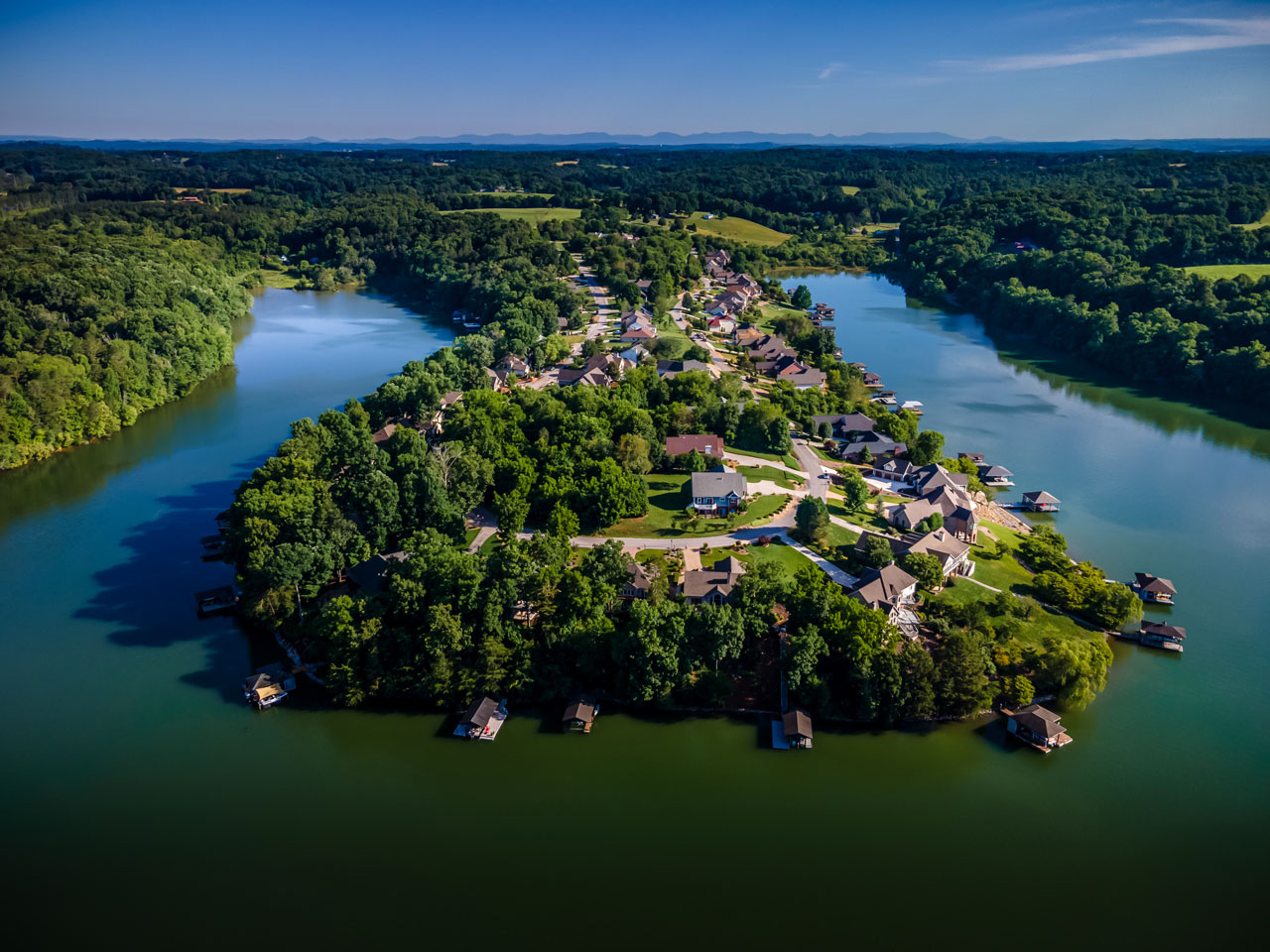
Stretching 33 miles along the Little Tennessee River, Tellico Lake is located in southeastern Tennessee and covers parts of Blount, Monroe, and Loudon counties. The “lake” is technically a reservoir that was created in 1979 following the completion of Tellico Dam. Although that dam doesn’t produce electricity, it directs water flow to the generators at the Fort Loudoun Dam.
Regardless, Tellico Lake is massive, boasting 357 miles of shoreline and 15,560 acres of water surface — but it has a flood storage capacity of 120,000 acre-feet. The main purposes of the Tellico and Fort Loudoun reservoirs are to reduce flooding, improve navigation, and produce power. Tellico Lake and the canal that connects it to the Fort Loudoun reservoir opened up traffic for boats and barges to navigate the Tennessee, Ohio, and Mississippi rivers all the way to the Atlantic Ocean.
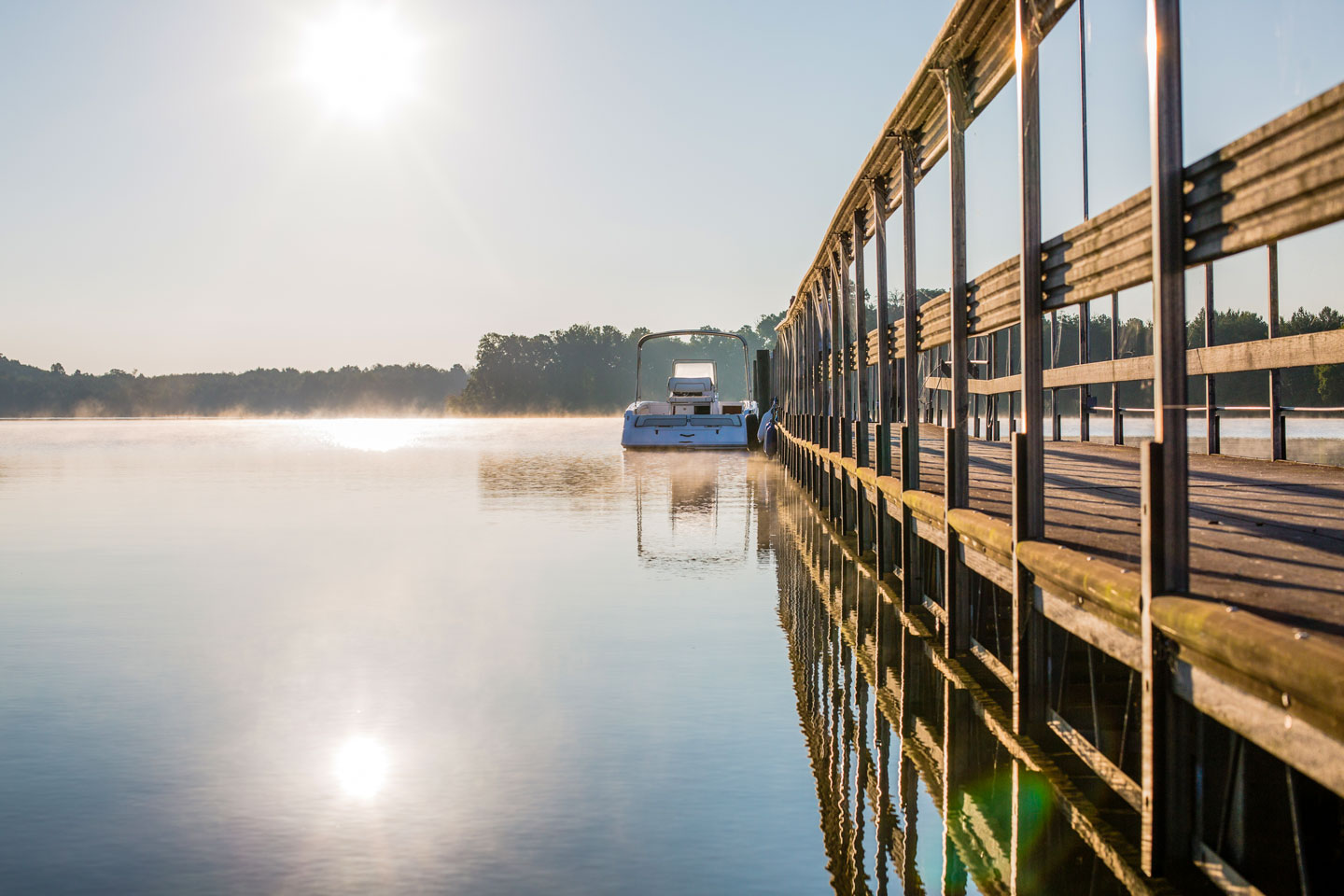
Communities are scattered along Tellico Lake, and many (if not most) residents go fishing, boating, and swimming regularly during the warm-weather months.
Tellico Lake is known to be a great spot for year-round fishing, being home to many largemouth and smallmouth bass, rainbow trout, walleye, bluegill, crappie, and numerous other species. If you don’t have a fishing license, you can purchase one in most sporting goods stores, at the county clerk’s office, or at the boating docks.
If you’re not a huge fan of fishing, there are plenty of other activities to partake in. You can enjoy sailing, swimming, kayaking, boating, and practically any other watersport. Fourteen fee-free and three commercial boat ramps are available to the public, and there are 10 marinas on the lake.
Located along the Tellico River arm of the lake is the Tellico Blueway — often referred to as a kayaking and canoeing paradise. The Blueway is a narrow 11 miles of river, but it allows for an easy flat-water float along the foothills of the Cherokee National Forest. You might not be able to take a full-sized boat into this area, but it’s perfect for smaller watercraft.
If you prefer to stay out of the water, try the many hiking opportunities across the hills next to the lake. Loudon Municipal Park, Fort Loudoun State Historic Park, and the East Lakeshore Trail all offer long hiking trails. Loudon Municipal Park has a 2-mile nature trail.
A few residential communities also can be found along the lakeshore. Tellico Village, a retirement community established in 1987, sits on 4,800 acres of land and is 31 miles from Knoxville. It has three private championship golf courses, and the location allows for easy access to boating, fishing, and swimming.
If you plan on visiting Tellico Lake, area campgrounds include Toqua, Notchy Creek, and Lotterdale Cove. Each campground offers access to the lake, and all have boat ramps and designated swimming areas — perfect for summer fun. You can schedule your stay through the Tellico Lake Campgrounds website by clicking the “booking” button: www.tellicolakecampgrounds.com.
For more information about the area, visit www.tnvacation.com/local/vonore-tellico-lake.
 App File

Summer Safety
As you vacation under the summer sun, spend time outside, or relax by the pool, you can stay informed about your environment with the help of these apps.
 BreezoMeter: Being the air quality provider for Apple Weather, BreezoMeter uses artificial intelligence to provide users with information: different types of pollen, pollutants, wildfires, and other potential air hazards. Whether you’re traveling for the summer, cycling around your town, or just wanting to spend time outside, you can monitor your local air quality and make informed decisions. Free for iOS and Android. www.breezometer.com
 Drive Weather: Even if you won’t be driving near a hurricane this summer, bad weather can turn a road trip into a disaster. The Drive Weather App shows the weather forecast along your route based on your departure time. This makes finding the safest time to travel much easier. Drive Weather also will suggest different routes you could take, allowing you to add or remove stops and find the safest way to your destination. Free for iOS and Android. A Pro version with added features costs $9.99 per year. www.driveweatherapp.com
 UVLens: UVLens’ simple layout shows users the local UV forecast. Once you complete the skin-type assessment, the app will tell you how long you can spend in the sun without sunscreen before burning. You also can enable the app to send you notifications when it’s time to reapply sunscreen. And if you don’t want to open the app every time you want to check the UV forecast, you can install a widget on your phone’s home screen that shows the current UV index along with your burn risk. Free for iOS and Android. www.uvlens.com
Bookshelf
 Recreational Vehicles: A World History 1872-1939
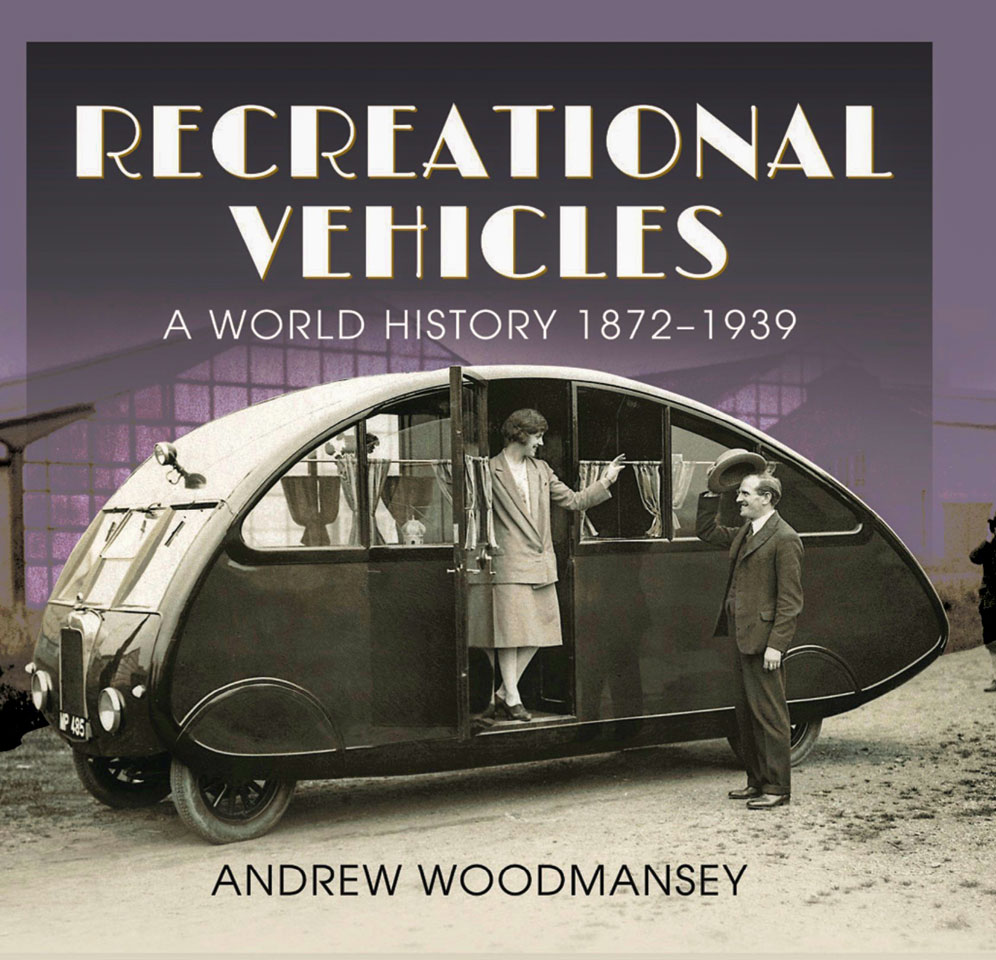
Inspired by a quote from the UK Caravan Club’s first secretary, J. Harris Stone, who wrote, “There is one wholesome lesson everyone learns when caravanning — to think more, to talk less,” Andrew Woodmansey details the rich history of RVs in his new book Recreational Vehicles: A World History 1872-1939. This 239-page, richly illustrated book may be the first to explore RV history from an international perspective.
Woodmansey takes the reader on a journey through time, focusing on RVs in the United Kingdom, United States, France, Germany, Australia, and New Zealand. He recounts the history of wheeled vehicles, horse-pulled caravans and wagons, and the origins of recreational travel. Many different types of RVs are mentioned along with their design influences; what was popular at the time; and how they changed with the Industrial Revolution, world wars, and other historical events. Some sections are dedicated to specific inventors, builders, and other noteworthy RV industry pioneers.
The book’s preface introduces the reader to the term “recreational vehicle.” It also provides a short history on RVs and describes the different types, noting that all are descendants of horse-drawn RVs of the late 1800s. The author’s reasoning for writing the book was to document the “fragmented” early history of these vehicles, to provide the world with an international perspective of RV history, and to feature black-and-white photos so “each RV can be seen in its own place and time.”
Included in between paragraphs are antique photos and drawings of some of the first “caravans,” or travel trailers; camper trailers; pop-up campers; collapsible RVs; double-decker bus conversions, and more. The last chapter features RV designs that were created for non-leisure purposes, such as for health or business. The appendix includes various international RV patents before 1939, most from the United States and the United Kingdom.
Andrew Woodmansey is a recreational vehicle historian who spends his time writing about RV history and exploring Australia in his camper trailer. You can view his blog at www.rvhistory.com.
Recreational Vehicles: A World History 1872-1939 (Pen & Sword, $52.95) is available for purchase at online bookseller sites.
Games
 International Card Games

Tired of playing Crazy Eights or Go Fish? Luckily, there are many different card games to choose from. These three can be played with a standard deck of 52 cards, and you can find detailed instructions for each game online.
Gurka
This two-player, family-friendly Swedish card game is played all over Scandinavia. Its name directly translates to “cucumber.” The main goal is to avoid taking the last trick. Depending on what country the game is played in, the rules may differ. To find more information and detailed instructions, visit www.pagat.com/last/cucumber.html.
Canadian Salad
In this four-player Canadian trick-taking game, you want to avoid taking certain cards from the trick — but there’s a different goal for each hand. You might know a variation of this game by its American name: Wisconsin Scramble.
Typically, this game involves four players. After cutting the deck, the player with the highest card deals first. The game has six hands: Take no tricks; take no Hearts; take no Queens; take no King of Spades; don’t take the last trick; and then all of the above rules apply for the last hand. For more information and detailed instructions, visit gamerules.com/rules/canadian-salad-card-game.
Dai Fug0
Originating in Japan, this game translates to “grand millionaire” and is also known as Tycoon. This climbing-type card game can be played with three to six people, and the main goal is to empty your hand of all cards as soon as possible. You do this by playing progressively stronger cards than what the previous player dealt. It also has many similarities to President, a card game commonly played in Western countries. For more information and detailed instructions, visit gamerules.com/rules/dai-fugo.